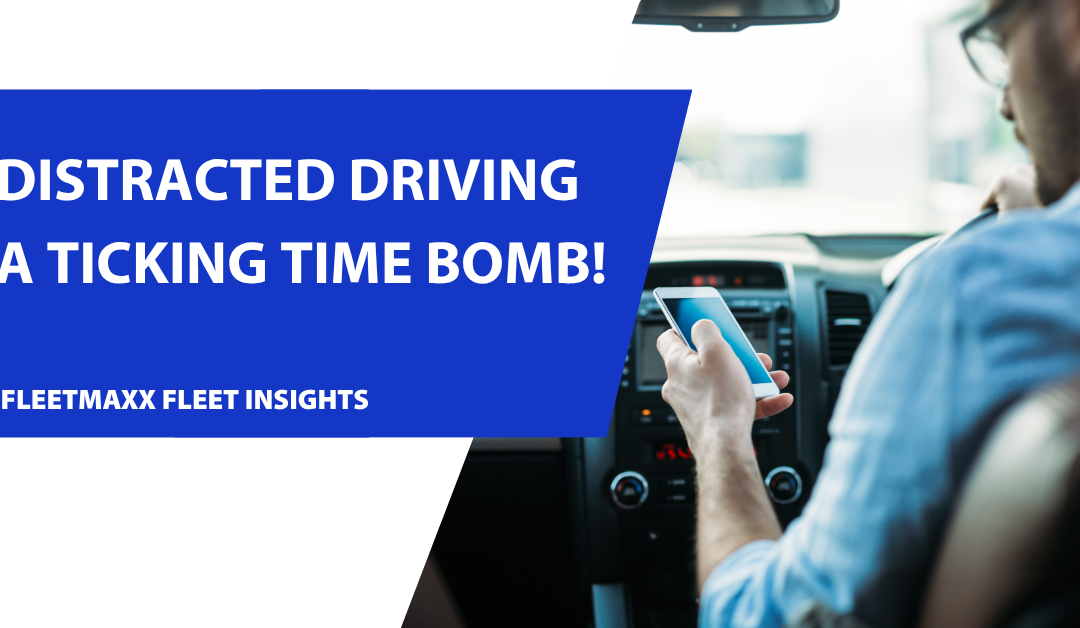
Distracted driving is one of the biggest hidden risks in your fleet right now
Distracted driving article by Steve Clarke, Marketing Manager at Fleetmaxx Solutions
I was digging into a recent feature from Fleet News, and it really struck a chord. We spend so much time talking about fuel savings, compliance, uptime… all the big-ticket items.
But distraction is the quiet operator in the background, chipping away at safety, costs, and control.
And the problem is evolving.
The modern cab: clever… but cluttered
Once upon a time, you could adjust your heating, radio or airflow with a quick flick of a dial without even taking your eyes off the road.
Now many vehicles feel like driving a tablet on wheels.
The shift was led by brands like Tesla, and the rest of the market followed. One screen, fewer buttons, lower manufacturing costs… job done.
Except it is not.
Because every swipe, every menu, every second spent looking down is a moment not spent watching the road.
In one study, drivers using touchscreen-heavy systems took significantly longer to complete basic tasks compared to an older car with physical controls. Seconds stretch, and at motorway speeds, seconds matter.
Phones: still the biggest culprit
We banned handheld use years ago, but the temptation has not gone anywhere.
Calls. Messages. Notifications. Apps all competing for attention.
And it is not always work-related. One recent case involved a driver gambling on his phone while driving, leading to a serious collision and life-changing consequences for another family.
That is the extreme end, but it highlights something important:
Distraction is not just about phone calls
It is about behaviour, habits, and mindset
The fleets getting it right
The good news is that some businesses are tackling this head-on, and not with gimmicks.
They are building a culture where distraction is simply not part of the job.
That looks like:
- No calls while driving, even hands-free.
- Phones stored out of reach, not sat on the seat lighting up.
- Office teams trained not to contact drivers on the move.
- Planned stops for calls, not reactive scrambling.
- Clear policies backed up with real conversations.
It might sound strict, especially for sales or service teams constantly on the move.
But many operators say it actually improves efficiency. Less on-the-road chatter, more structured communication, better planning.
Culture first. Tech second. Always.
There is no silver bullet here.
Apps that block notifications can help.
Vehicle design choices matter.
Telematics and cameras are valuable.
But none of it sticks without the right culture behind it.
Because you cannot sit in the passenger seat of every vehicle.
What you can do is create an environment where drivers understand the risks, buy into the standards, and feel supported to do things the right way.
Why this matters commercially
Let us bring it back to what this means for your business.
Distraction is not just a safety issue. It quietly impacts:
Fuel consumption through poor driving habits
Wear and tear from harsh braking and acceleration
Productivity through delays and inefficiencies
Incident rates, claims, and insurance costs
Compliance and duty of care responsibilities
It is a domino effect. And once it starts, it is expensive.
At Fleetmaxx, we often talk about visibility. Because when you can see what is happening across your fleet, you can start to influence it.
Driver behaviour data. Journey insights. Patterns you would otherwise miss.
Not to catch people out, but to coach, improve, and protect.
Help with a mobile phone policy
As part of our growing transport consultancy offering, Fleetmaxx Solutions is pleased to introduce comprehensive health and safety consultancy services, now available through our trusted consultancy partner. This includes practical support with drafting, reviewing, and implementing robust mobile phone policies tailored to your operation.
From clear driver guidelines and communication protocols to staff training and rollout, we can help you put a policy in place that is not only compliant, but genuinely effective in reducing distraction and protecting your drivers, your vehicles, and your business.