ADBLUE DIESEL RATIO CALCULATOR

Free AdBlue® Diesel Ratio Calculator from Fleetmaxx Solutions. This tool helps FORS members and DVSA-regulated fleets track AdBlue® usage, spot faults, and produce audit-ready records.

AdBlue Diesel Ratio Tool

AdBlue® diesel ratio calculator

Free tool for fleet managers, transport managers & business owners

Managing AdBlue® levels accurately is essential for keeping your fleet compliant, efficient, and running smoothly — a requirement for FORS members and an important part of meeting DVSA expectations.

As the manufacturer of our own AdBlue®, FleetBlue, here in the UK, we believe it’s vital to support operators with the right tools. That’s why we have developed a FREE AdBlue® Diesel Ratio Calculator, designed specifically for fleet operators who need simple, reliable, audit-ready records.

This tool has been built with the expert assistance of our Transport Consultancy partner, Steve Hale, ensuring it meets the real-world needs of transport managers, compliance teams, and fleet operators working to FORS and DVSA standards.

Whether you run vans, HGVs, buses, or off-road machinery, this tool helps you understand whether your fleet is operating within the correct AdBlue® consumption range and highlights any vehicle using too much (or too little).

adblue ratio calculator tool for your fleet

FREE AdBlue Diesel Ratio Calculator

Drop your email below to get immediate access to the tool and quickly check your AdBlue-to-diesel ratio for any vehicle or fleet.

adblue diesel ratio calculator

Why your fleet needs this AdBlue® diesel ratio calculating tool

✔ Helps meet FORS & DVSA AdBlue® diesel ratio record-keeping requirements
✔ Instantly checks if vehicles fall within expected ratios
✔ Highlights SCR faults early to prevent breakdowns
✔ Reduces unnecessary AdBlue® overspend
✔ Stores clear, consistent records for audits
✔ Suitable for fleets of any size

This Adblue® diesel ratio tool gives transport managers, business owners, and compliance teams a simple, accurate way to track AdBlue-to-diesel usage and stay audit-ready.

FleetBlue – UK-manufactured, licensed AdBlue®

Fleetmaxx Solutions manufactures FleetBlue, our own licensed AdBlue® (Diesel Exhaust Fluid) here in the UK, so we can offer the best possible service at the lowest possible price. So buy AdBlue® direct from us.

Buying direct from the manufacturer means:

  • Guaranteed ISO 22241 specification

  • Consistent national supply

  • Lower cost per litre

  • Full quality traceability

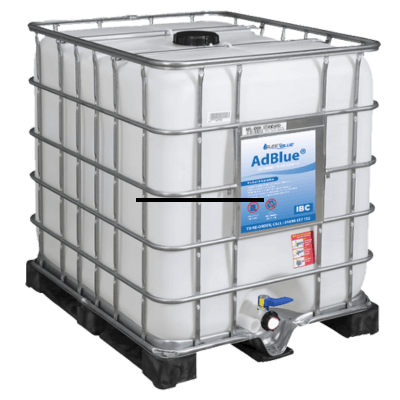
  • Bulk, automatic top-up service, IBC, drum and packaged options
adblue diesel ratio calculator (1) (1)
Customer Service

Contact our FleetBlue, AdBlue® team today

If you are looking to buy AdBlue® or have some questions, our team of friendly advisers are on hand to discuss all of your requirements.  Please complete the simple enquiry form, and we’ll get back to you promptly.

Please note that your information is stored on our server as you enter it. By giving us your email address you confirm you are happy for us to notify you of offers and services by email. We won’t bombard you – tell us at any time if you want to unsubscribe. Don’t worry – we respect your data. We keep it securely and responsibly and we only release it in accordance with the law; otherwise we don’t pass on. See privacy policy for more. privacy policy .
Hidden - Business Type
 

AdBlue® Diesel Ratio Calculator FAQs

What is the normal AdBlue® diesel ratio?

Most vehicles use between 3–10%, with around 5% being typical for commercial fleets.

What are the DVSA requirements for AdBlue® use and records?

1. Evidence the AdBlue® system is functioning correctly

During an audit or roadside inspection, the DVSA will expect clear proof that the vehicle’s AdBlue®/SCR system is operating as designed. This includes showing that the system has not been bypassed, disabled, or tampered with.

2. Accurate AdBlue® usage records

Operators must keep accurate records of AdBlue® top-ups, not simply rely on rough estimates or diesel-to-AdBlue ratios. Documented evidence helps demonstrate proper system use and supports compliance during DVSA or Traffic Commissioner reviews.

3. Compliance

The DVSA’s priority is ensuring the Selective Catalytic Reduction (SCR) system is being used correctly to reduce emissions. The focus is operational compliance.

4. Correct, lawful use — no cheat devices

The DVSA expects operators to use AdBlue® legitimately to meet emissions standards. Any attempt to disable the SCR system or use an AdBlue® “cheat device” is illegal and will trigger enforcement action, prohibitions, and potential operator-licence consequences.

What are the FORS AdBlue® diesel ratio record requirements?

The Fleet Operator Recognition Scheme (FORS) expects operators to monitor and record their AdBlue® usage — including the diesel-to-AdBlue® ratio — to ensure vehicles meet emissions standards and that SCR systems are being used correctly. There is no single mandatory ratio, as consumption varies by vehicle, but operators must demonstrate that the system is functioning as intended.

Key FORS requirements

1. Monitoring and recording usage

Your organisation must have clear policies and procedures detailing how fuel data — including AdBlue® — is captured, monitored, and reviewed.
If an AdBlue®-to-diesel ratio is not calculated and monitored, auditors will record a minor action during assessment.

2. Operator responsibility

It is the operator’s responsibility to ensure that all AdBlue® and SCR systems work correctly and comply with legislative requirements such as Euro 6 emissions standards.

3. Identifying anomalies

AdBlue® usage data must be monitored regularly to spot unusual patterns.
Sudden increases or decreases may indicate:

  • A system fault

  • A blocked injector

  • Incorrect usage

  • Potential tampering

These anomalies must be investigated and resolved promptly.


4. Compliance evidence

Keeping accurate vehicle-by-vehicle records of AdBlue® dispensed provides evidence of correct use. This supports compliance for both FORS audits and DVSA inspections.


5. Documentation and best practice

The FORS Fuel Management Guide outlines recommended processes, data collation methods, and tools to help operators manage fuel and AdBlue usage effectively and meet accreditation standards.

What are the benefits of using the AdBlue® diesel ratio calculator?

Our free tool provides:

  • Instant ratio calculation

  • Pass/fail indicators vs expected ranges

  • Downloadable audit-ready records

  • A simple way to meet FORS & DVSA expectations

Is AdBlue® a fuel additive?

No. AdBlue® must never be mixed with diesel.
It must only go into its dedicated AdBlue® tank.

Why would my vehicle be using too much AdBlue®?

High usage may indicate:

  • Faulty NOx sensors

  • SCR or injector issues

  • Heavy load cycles

  • Incorrect or contaminated AdBlue®

If consumption regularly exceeds 10%, a mechanical check is advised.

Why would my vehicle be using too much AdBlue®?

High usage may indicate:

  • Faulty NOx sensors

  • SCR or injector issues

  • Heavy load cycles

  • Incorrect or contaminated AdBlue®

If consumption regularly exceeds 10%, a mechanical check is advised.

Is this calculator suitable for FORS and DVSA audits?

Yes* — it supports:

  • FORS Bronze/Silver/Gold evidence

  • DVSA roadside and site inspections

  • Operator licence maintenance requirements

*It is crucial that the user inputs accurate records of diesel and adBlue used in each vehicle

What happens if my AdBlue® runs out?

The vehicle may:

  • Enter limp mode

  • Reduce engine power

  • Refuse to restart until topped up

Does cold weather affect AdBlue® use?

AdBlue® can freeze at -11°C, but vehicles have heated tanks and lines.
Low-quality or contaminated AdBlue® may crystallise more easily. Find out more about storing AdBlue® correctly.

What are the dangers of using an AdBlue® cheat device?

AdBlue® cheat devices — also known as emulator devices — are illegal tools fitted to vehicles to trick the engine management system into thinking the AdBlue®/NOx reduction system is working when it has been disabled.

The Driver and Vehicle Standards Agency (DVSA) has significantly increased enforcement. During a 12-month national pilot, examiners uncovered 449 cases of emissions fraud across just five UK sites. As a result, roadside checks on lorries and commercial vehicles have intensified, and operators using cheat devices are under serious scrutiny.

Using an AdBlue cheat device is extremely risky for several reasons: read our full article.