Public EV charging: Is your business missing out on a simpler way to charge?
Public EV charging guide by: Kyle Davey, EV Specialist, Fleetmaxx Solutions Ipswich
Public EV charging should fit around your working day. Whether you run one electric company car or a growing fleet of electric vans, your drivers need somewhere convenient to charge, a straightforward way to pay and support when they need it.
For businesses, there is another consideration: keeping track of the cost. When drivers charge across different locations, managing payments and charging records can become an extra job.
This guide explains what to consider when using public EV charging and how Fleetmaxx Solutions can help through Shell Recharge and Rightcharge.
What is public EV charging?
Public EV charging means charging an electric vehicle at a charge point available for public use, rather than at a private home or workplace charger.
For a business, it can provide a useful top-up during a journey or form part of a regular charging routine. Your approach should reflect where vehicles travel, how long they stop and whether drivers have access to charging elsewhere.
The aim is to make charging a planned part of the day, with a suitable charger and payment method identified before the vehicle needs them.
How do you find public EV charging near you?
Start by looking for chargers that fit your route and vehicle. The nearest location may be convenient, but it is also worth checking the connector, available charging speed, price and access arrangements.
Before choosing a charging stop, check:
- Whether your charge card is accepted.
- Whether the connector is compatible with your vehicle.
- The charging speed your vehicle can use.
- The displayed price and any additional charges.
- Access hours and any parking restrictions.
- A nearby alternative if your first choice is unavailable.
Fleetmaxx Solutions provides a Shell Recharge charging locator to help drivers search for charging locations and filter their options.
Keeping a second location in mind can make journeys easier, particularly when drivers are visiting an unfamiliar area.
Choosing a charging stop that suits the working day
Think about how much charge the driver needs for the next stage of the journey, alongside the time available to stop.
A planned stop during a customer visit requires a different approach from a quick top-up between appointments. Build charging into existing breaks where practical and avoid planning every journey around a single location.
Charging time varies with the vehicle, charger and conditions. Shell Recharge supports rapid and ultra-rapid charging at many locations, with actual speeds dependent on vehicle compatibility and charger type. Explore Shell Recharge.
How do businesses pay for public EV charging?
An EV charge card gives drivers a business payment method at participating charging points. It can also help bring charging records together for the people managing the fleet.
Before issuing cards, explain where drivers can use them, how to check acceptance and who to contact if they need help. A short driver guide can answer everyday questions and reduce avoidable calls to the office.
The right arrangement should work for both sides of the business: convenient charging for drivers and understandable records for managers.
Public EV charging with Shell Recharge
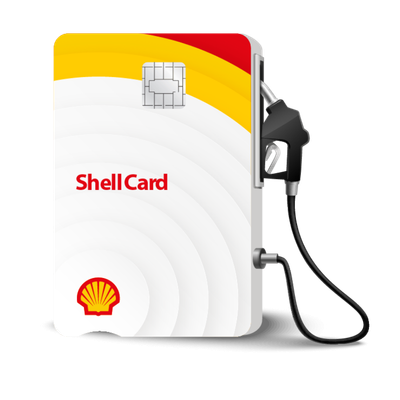
The Shell Recharge card from Fleetmaxx Solutions gives business drivers access to 72,000 UK public charge points, including Shell charging locations and participating partner charge points. It also offers simplified billing and reporting for fleet managers.
Drivers can use the Shell Recharge app or web locator to find charging locations. The solution can support company cars and electric vans, from small businesses through to larger fleets. Acceptance depends on network access and compatibility.
For businesses considering this option, read our Shell Recharge card page and our guide to Shell Recharge roaming partners.
Shell Card access to 74% of the UK public DC charging network
For business drivers, coverage of DC charging points is an important part of choosing a public EV charging card. DC, or direct current, charging is used for rapid and ultra-rapid charging, helping drivers top up during journeys.
The figures supplied by Shell show how its card network compares with the wider UK public charging network:
| Charging type | UK public charge points | Accessible with Shell Card |
|---|---|---|
| AC charging | 94,000 | 50,500 |
| DC charging | 29,000 | 21,500 |
| Total | 123,000 | 72,000 |
Shell Card provides access to approximately 74% of the UK public DC charging network. DC points make up around 30% of the Shell Card charging network, compared with approximately 23.5% of the wider UK public network.
For fleet managers, this provides a useful measure of charging choice on the road. Drivers still need to check individual locations, card acceptance, availability and vehicle compatibility before travelling.
Source: Shell network figures supplied to Fleetmaxx Solutions. Figures are rounded and network coverage can change.
Public and home charging with Rightcharge
Rightcharge from Fleetmaxx Solutions combines public charging access with home charging cost management.
The Fleetmaxx Rightcharge page lists access to over 82,000 chargers across 39 public network operators. Its charging map provides details including availability, connectors, speeds and pricing.
Businesses can view charging activity and costs through one dashboard and receive a consolidated monthly invoice. For drivers charging at home, Rightcharge can reimburse charging costs through payments directly to their energy supplier.
The public charging pricing described on the page is the charging network operator’s price plus a small transaction fee. Ask the team to explain the applicable fees when comparing options.
Shell Recharge or Rightcharge: What should you consider?
Start with your drivers’ journeys and charging habits. Ask which locations they need, how often they charge away from base and whether home charging payments need to be included.
Shell Recharge offers public charging access with simplified business billing and reporting. Rightcharge brings public charging and home charging cost management together.
When comparing them, focus on:
- Coverage along your regular routes.
- Suitable chargers for your vehicles.
- The full charging cost, including fees.
- The records your finance team needs.
- Home charging requirements.
- Driver support and account management.
- A useful choice begins with the locations your drivers will actually use.
How to manage public EV charging costs
Set a clear charging policy before the fleet grows. Explain approved payment methods, how drivers should check prices and what to do if their planned charger is unavailable.
Review charging records regularly. Look for repeated expensive stops, unnecessary detours or charging patterns that could fit better around the working day.
Assess the whole journey as well as the charging bill. A cheaper charging stop may offer little benefit if reaching it adds substantial travel time.
Make public EV charging easier for your business
Tell Fleetmaxx Solutions where your vehicles travel, how your drivers currently charge and what you need from billing and reporting.
Our team can help you compare Shell Recharge and Rightcharge and choose an arrangement that fits your business.
Call Fleetmaxx Solutions on 03302 320 220 or enquire through our Shell Recharge or Rightcharge page.

Public EV charging frequently asked questions
Can an EV charge card be used at every public charger?
Acceptance varies by card, network and location. Check the relevant locator before travelling and confirm that the specific charger accepts your card.
Can a small business use a public EV charging card?
Yes. Fleetmaxx Solutions offers charging options for businesses with individual electric vehicles as well as larger fleets.
Can public and home charging be managed together?
Rightcharge provides public charging access and home charging payment management, with charging costs brought together for the business. See how Rightcharge works.
How can I find a suitable public charging point?
Use the relevant charging locator and check card acceptance, connector compatibility, charging speed, price and access arrangements before setting off.
How much does public EV charging cost?
The cost depends on the charging location, operator and payment method. Check the displayed tariff and any transaction, parking or overstay fees before starting a session. When comparing business charge cards, look at the total charging cost, including applicable card fees.
What is the difference between AC and DC public EV charging?
AC means alternating current, while DC means direct current. AC charging is generally suited to longer stops. DC charging is used for rapid and ultra-rapid charging, making it useful for topping up during business journeys. Your vehicle’s charging capability determines which chargers it can use and the speed it can achieve.
How many public charge points can I access with Shell Card?
According to the Shell figures supplied to Fleetmaxx Solutions, Shell Card provides access to 72,000 UK public charge points, including 50,500 AC points and 21,500 DC points. Figures are rounded and coverage can change, so check the locator for individual locations.
Does Shell Card provide access to rapid public EV charging?
Yes. The supplied Shell figures show access to approximately 74% of the UK public DC charging network. DC charging includes rapid and ultra-rapid charging. Check the specific charger’s speed, card acceptance and vehicle compatibility before travelling.
What are Shell Recharge roaming partners?
Roaming partners are charging networks that have agreements allowing eligible Shell Cards to be used at participating charge points. This gives drivers more charging locations through one card. Acceptance depends on the card and location, so confirm access through the relevant locator.
Can public EV charging support electric vans?
Yes, provided the charger and connector are compatible with the van. Drivers should also check parking space, access restrictions and cable reach, particularly when operating larger vehicles.
Do drivers need to pay personally for business charging?
With an employer-funded charge card account, approved charging sessions can be billed to the business. This reduces the need for drivers to pay personally and submit expense claims. Confirm the account settings and your company’s charging policy before use.
How does Rightcharge reimburse home EV charging?
Where home charging is enabled and the required charging and tariff data are provided, Rightcharge can arrange payments directly to the employee’s home energy supplier account. This helps businesses manage home charging costs alongside public charging.
What should a driver do if a public charger is unavailable?
Check the charging locator for an alternative that accepts your card and suits your vehicle. If a charger has a fault or a session will not start, follow the instructions at the charge point and contact the support number displayed. Let your fleet manager know if the issue affects your journey.