EV Myths busted: emissions, costs & range anxiety
EV Myth 2 By Kyle Davey – EV Specialist, Fleetmaxx Solutions Ipswich
There’s a phrase I often come back to when I’m speaking with customers about switching to electric vehicles: “Knowledge is power.” And when it comes to EVs, that couldn’t be more relevant. With so much information flying around—on social media, in the press, or passed along by word of mouth—it’s easy for confusion to creep in. Before long, myths start sounding like facts.
That’s particularly true with EVs. Whether I’m speaking to businesses here at Fleetmaxx Ipswich or out on the road, I hear the same concerns crop up again and again: “Aren’t EVs just as bad for the environment?”, “Aren’t they far too expensive?”, or “What happens if I run out of charge?”
So, let’s set the record straight. Here’s my honest take on the three EV myths I hear most—and the truth that lies behind them.
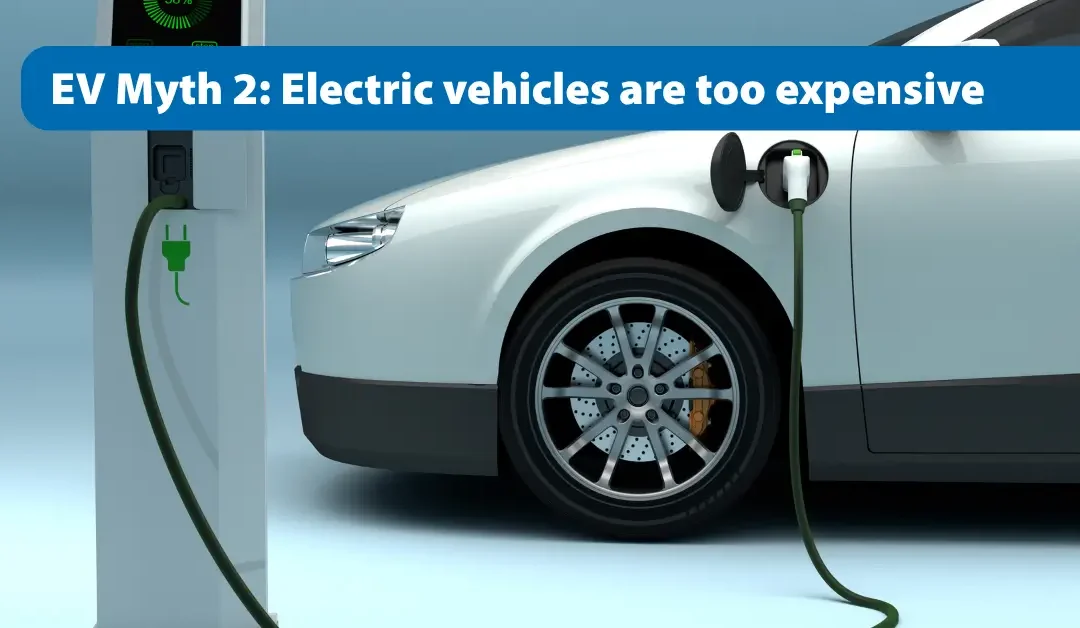
EV Myth 2: Electric vehicles are too expensive
When people tell me they’d love to switch to electric but “EVs are just too expensive,” I get it. On the surface, many EVs do have a higher upfront cost compared to their petrol or diesel counterparts. But what’s important—and what I always remind our customers—is that this is only part of the story.
Why people think EVs are unaffordable
This myth often comes from a quick glance at the sticker price. And yes, if you’re comparing new-for-new, many electric models look pricier at the point of purchase. It’s easy to be put off, especially when you’re not taking into account the bigger picture: running costs, servicing, and long-term value.
What the real numbers say about EV costs
Dig a little deeper, and EVs start to make more financial sense. Once you factor in how much cheaper they are to run—lower fuel costs, fewer repairs, and less servicing—the numbers begin to balance out. In fact, for businesses running fleets, the long-term savings can be substantial.
What makes EVs more expensive to build
Much of the upfront cost comes from the battery. These are complex, high-tech components made with valuable materials—and that adds to the price tag. Add in the cost of R&D and the fact that many EV manufacturers are still scaling up production, and it’s easy to see why costs haven’t yet dropped to ICE levels across the board.
Why maintenance and fuel savings matter
But here’s the upside: EVs are far cheaper to run. Electricity typically costs far less than petrol or diesel, especially if you’re charging off-peak or at home. Plus, with fewer moving parts and no oil changes, servicing costs are lower too. That means fewer surprises, lower TCO (total cost of ownership), and more predictability for your budget.
Government incentives are helping bridge the gap
And let’s not forget the support that’s available. There are grants and incentives for businesses and individuals that help make the switch more affordable. From charging infrastructure support to lease incentives, these can really make a difference to the overall cost.