EV myths busted: Emissions, costs & range anxiety
EV Myth 1 By Kyle Davey – EV Specialist, Fleetmaxx Solutions Ipswich
There’s a saying I often come back to when talking with businesses and drivers about switching to electric vehicles: “Knowledge is power.” In the world of EVs, that couldn’t be more true. The challenge is, with social media posts, clickbait headlines, and opinions flying around, that power sometimes gets lost in the noise. Misconceptions grow legs, and myths start to feel like facts.
That’s especially true when it comes to electric vehicles. Whether I’m chatting with customers here at Fleetmaxx Ipswich or out on the road, I hear the same worries: “Aren’t EVs just as bad for the environment?”, “Aren’t they more expensive?”, or “Won’t I get stuck with no charge?”
So, let’s clear the air. In this series of blog posts is my take on the three big myths I hear all the time—around carbon emissions, costs, and range anxiety—and the real story behind each one.

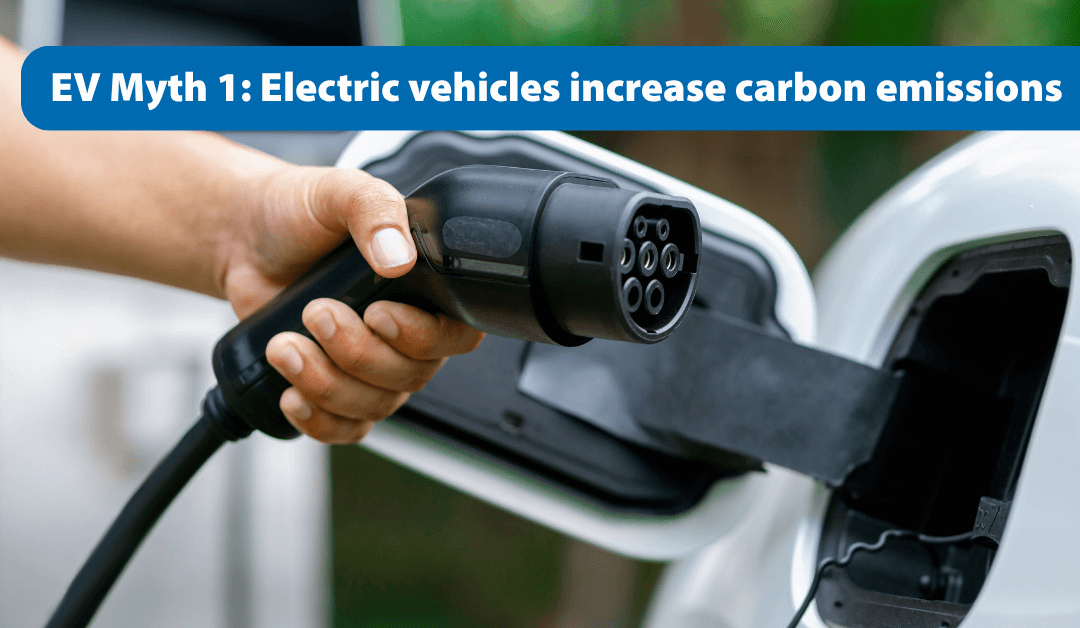
EV Myth 1: Electric vehicles increase carbon emissions
Why some people believe EVs contribute to higher carbon emissions
It’s easy to see where this myth comes from. People often focus on how electricity is generated—especially when it comes from fossil fuels—and assume EVs are just shifting emissions from the exhaust pipe to the power station. While that argument seems logical on the surface, it misses the bigger picture.
The truth about EV carbon emissions
When you look at the full lifecycle of an EV—from production to usage to disposal—the numbers tell a different story. Research consistently shows that electric vehicles generate far fewer emissions across their lifetime compared to petrol or diesel vehicles. Even if the electricity used comes from non-renewable sources, EVs still come out ahead thanks to their higher efficiency and zero tailpipe emissions.
EV vs petrol: the real carbon comparison
A proper “well-to-wheel” analysis reveals the key difference. Electric cars produce significantly lower greenhouse gas emissions over time, and that advantage only increases as the grid gets greener. It’s a long-term gain that’s already making a real impact in lowering overall transport emissions.
The role of energy sources
Yes, some parts of the UK still rely on fossil fuels for electricity. But the national energy mix is shifting fast. With more wind, solar, and hydro projects coming online every year, the electricity used to power EVs is getting cleaner. That means the environmental benefits of EVs are growing year after year.
Battery production and recycling
It’s true that manufacturing EV batteries uses a lot of energy and raw materials. But the industry is moving quickly. New recycling technologies and better battery designs are already reducing the impact. We’re heading toward a future where EV batteries are part of a circular economy—with materials reused, not wasted.