HGV breakdown recovery: Why one missing detail could cost your fleet hours
HGV breakdown guide by Kyle Davy, Sales Manager – Fleetmaxx Solutions Ipswich
When an HGV stops, the challenge is not simply a van breakdown on a larger scale.
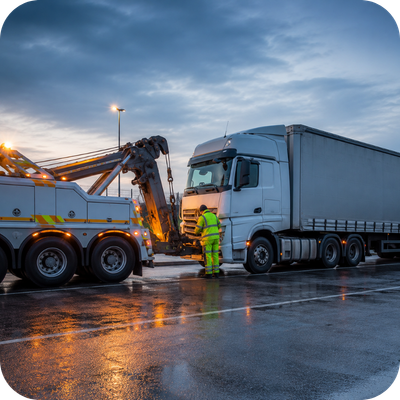
The tractor unit may weigh several tonnes, the trailer may be loaded and the vehicle may be in a position where ordinary roadside equipment cannot help. The load, road, weather and remaining driving time can all affect what happens next.
That is why an HGV breakdown response begins with good information.
The vehicle details matter
A recovery operator needs more than the registration number. The call handler may need the gross vehicle weight, vehicle configuration, trailer type and an estimate of the load.
They will also want to know whether there are damaged tyres, locked brakes, steering problems, fluid leaks or accident damage. These details help determine the equipment and expertise required.
Sending an unsuitable recovery vehicle wastes time and extends disruption.
What is the HGV carrying?
The load can change the entire response.
A refrigerated trailer may contain temperature-sensitive goods. A livestock vehicle creates welfare considerations. Hazardous materials require specialist information and procedures. High-value or time-critical goods can introduce additional security and customer pressures.
Drivers should have load documents available and make the call handler aware of anything that could affect safe recovery. The operator should never be left to discover a complication after arriving.
The trailer cannot be forgotten
Fleet managers should establish whether their breakdown arrangement covers the complete combination and what may happen to the trailer.
Can the tractor unit be repaired at the roadside? Is another unit available to collect the trailer? Does the trailer itself need specialist recovery? Is the load secure and stable?
These are operational questions as much as mechanical ones.
Location changes everything with an HGV breakdown
A truck parked at a secure service area is a very different job from one stranded on a narrow road or obstructing a busy junction.
The immediate priority is safety. Drivers should follow the Highway Code and instructions from the police, road operator or emergency services. They should not attempt repairs or move around the vehicle when traffic conditions make that dangerous.
When reporting the incident, location details should be precise. Motorway, direction, junction, marker information and the vehicle’s exact position can save valuable time.
Downtime reaches beyond the driver
An HGV breakdown can affect collection slots, warehouse staff, customers, drivers’ hours and the availability of another tractor unit. A delayed load might miss a ferry, a timed delivery or the next stage of a production process.
The fleet response plan should therefore cover communications as well as recovery:
- Who updates the customer?
- Who checks the driver’s available hours?
- Is another unit and driver available?
- Does the load need transferring?
- Where can the vehicle be repaired safely?
- Who manages the incident outside office hours?
Plan before the truck stops
National Breakdown works with vehicles up to 44 tonnes gross vehicle weight and can support mixed fleets that include cars, vans, coaches and HGVs. Different cover levels can be accommodated within one annual policy, and non-insured pay-as-you-go assistance is also available.
At Fleetmaxx Solutions, we can help operators discuss the vehicle types, routes and working patterns that should be considered when choosing an arrangement.
The middle of the night, at the side of a busy road, is not the best place to discover that important details were overlooked.
Ask Fleetmaxx Solutions to review your HGV and mixed-fleet breakdown requirements before the next vehicle needs specialist recovery.