An HGV driver mental health guide for Fleet Managers
HGV driver mental health, Your Fleet Matters guide by Steve Clarke, Marketing Manager at Fleetmaxx Solutions
The unique mental health challenges facing HGV drivers in the UK
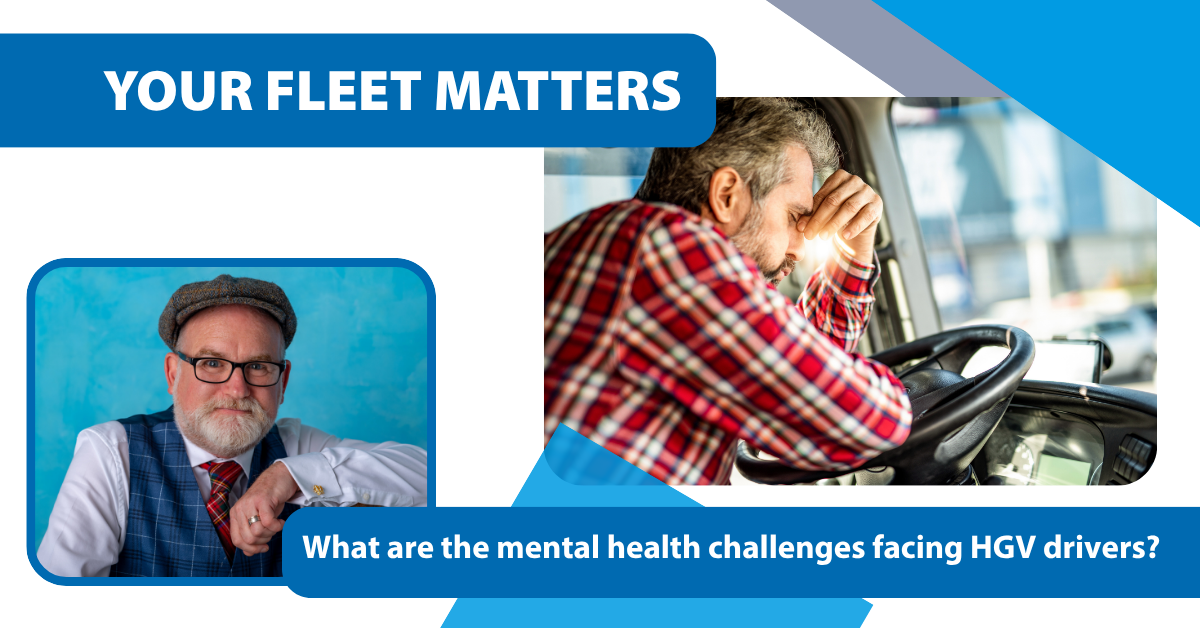
The logistics industry is the backbone of the UK economy, but the human cost of keeping the nation moving is often overlooked. For the 95 per cent male workforce, traditional expectations of stoicism frequently prevent drivers from seeking the help they need. This demographic is particularly susceptible to the pressures of strict delivery windows and the unpredictable nature of UK traffic. When a driver is stuck in a tailback on the M6 for three hours, the stress is not just about the delay; it is about the ripple effect on their legal driving hours and mandatory rest periods.
Managing mental health for HGV drivers requires an understanding of how physical health intersects with a psychological state. A diet consisting of service station snacks and high caffeine intake can lead to energy crashes that exacerbate feelings of anxiety. This intersection is a core component of Occupational Health Psychology, which examines how the work environment impacts the total wellbeing of the individual. Poor physical health on the road is not just a medical issue; it is a significant contributor to mental fatigue and reduced operational focus.
Recognising the signs of stress in your fleet
Fleet managers must look beyond the tachograph data to understand the wellbeing of their team. Physical indicators of stress often manifest as increased irritability, persistent fatigue, or a sudden decline in personal grooming. A change in driving style is also a major red flag. If a steady driver starts recording more harsh braking or acceleration events on your vehicle telematics system, it may signal a lack of focus caused by underlying mental health issues. Regular check ins should be a standard part of your road risk management strategy, moving beyond delivery updates to ask how the person behind the wheel is actually feeling.
The impact of solitary working on driver wellbeing
Isolation is a significant factor in the mental health crisis within the transport sector. Being away from home for long periods places immense strain on family relationships, often leading to a sense of detachment from domestic life. During night shifts, loneliness becomes an invisible adversary, as the lack of social interaction can lead to ruminative thoughts and depression. Long haul driving requires a psychological profile that balances extreme self reliance with the ability to maintain cognitive focus during hours of monotonous activity. This solitary environment makes it even more vital for fleet managers to use fleet HR services to bridge the gap between the office and the cab.
Why prioritising driver wellbeing is essential for operational success
Fleet managers often view wellbeing as a secondary concern, yet it is a primary driver of fiscal performance. Neglecting the psychological state of your workforce leads to tangible losses in efficiency and safety. The government guidance on driver mental health highlights that workplace stress is a significant factor in long term absence. For a fleet, this translates to idle vehicles and lost revenue.
The correlation between mental health and road safety
High levels of stress significantly reduce reaction times and impair cognitive focus. When a driver is preoccupied with personal or work related anxiety, their ability to anticipate hazards on the road diminishes. This is where professional road risk management becomes indispensable. By identifying vulnerable drivers through telematics and regular check ins, you can intervene before a lapse in concentration results in a costly collision. A focused driver is a safe driver.
Beyond safety, there is a direct link between emotional state and vehicle wear and tear. Stressed drivers are more likely to engage in aggressive driving behaviours, such as harsh acceleration and late braking. These habits do not just increase the risk of accidents; they also lead to significantly higher fuel consumption and maintenance costs. Effectively managing mental health for HGV drivers ensures that your fleet operates at peak technical efficiency while meeting your legal duty of care under the Health and Safety at Work Act 1974.
Reducing staff turnover in a competitive market
The UK haulage industry is currently facing a persistent recruitment challenge. Replacing a single experienced driver involves substantial hidden costs, including recruitment fees, induction training, and the initial period of lower productivity. Fostering a supportive culture is a pragmatic strategy for increasing driver loyalty. When drivers feel their wellbeing is valued, they are far less likely to seek opportunities with competitors.
Establishing these initiatives provides a distinct recruitment advantage. You can position your business as an employer of choice by demonstrating a clear commitment to the health of your team. Proactively managing mental health for HGV drivers reduces the administrative burden of constant hiring and ensures operational continuity. If you want to lower the pressure on your team immediately, consider how vehicle route optimisation can remove the stress of unrealistic delivery windows.
Practical strategies for managing mental health within your fleet
Implementing effective methods for managing mental health for HGV drivers requires a shift from reactive management to proactive support. You should begin by consulting resources like the RHA’s Guide to Maintaining Driver Health, which provides an excellent foundation for workplace wellbeing. Beyond external guidance, your internal culture must encourage drivers to speak openly without fearing for their professional standing or license. This open communication is the first step in identifying issues before they escalate into operational problems.
Implementing a culture of open communication
Establishing an open door policy is only effective if managers know how to listen. During driver debriefs, you should move beyond asking about fuel efficiency and instead initiate conversations about stress levels or fatigue. If a driver discloses a struggle, maintaining absolute confidentiality is vital to building trust. You might also use internal newsletters to share wellbeing resources, ensuring that support is always visible and accessible to your team. Making these topics a regular part of the conversation helps to dismantle the stigma often found in a predominantly male workforce.
Utilising technology to reduce driver pressure
Utilising technology to reduce driver pressure is one of the most effective ways to lower stress. By using vehicle route optimisation, you can ensure that schedules are realistic and account for real world traffic conditions. This prevents the anxiety associated with unachievable deadlines and the pressure to skip mandatory rest periods. Telematics should be framed as a supportive tool to identify when a driver might be struggling, rather than a surveillance device. Better planning reduces the need for drivers to rush.
Finally, you should provide mental health first aid training for all line managers and dispatchers. This equips them with the skills to recognise early warning signs and offer immediate guidance. Promoting a healthy lifestyle by sharing information on nutrition and exercise for the road also plays a significant role in managing mental health for HGV drivers. If you need assistance in structuring these policies, our fleet HR services can provide the professional framework you require.
How professional fleet consultancy can transform your approach
Managing the psychological welfare of a mobile workforce is a complex task that often falls outside the expertise of a standard operations manager. Partnering with a specialist consultancy allows you to offload these administrative burdens while ensuring your business remains compliant and efficient. At Fleetmaxx Solutions, we act as a centralised hub for your operation, providing the tools and expertise needed for managing mental health for HGV drivers alongside your physical assets. By consolidating your requirements with a single partner, you reduce the time spent on administrative tasks and can focus on business growth.
Accessing specialist fleet HR support
Navigating the nuances of UK employment law regarding mental health can be a legal minefield. Our fleet HR services are designed to help you manage long term absences and return to work protocols with professional precision. By implementing bespoke, legally compliant policies, you protect your business from potential litigation while providing a clear framework for driver support. Expert advice ensures that you handle sensitive disclosures correctly, maintaining the balance between operational needs and your legal duty of care. This level of support provides peace of mind, knowing that your Human Resources processes are as robust as your logistics.
The role of road risk management in driver care
A professional health and safety consultancy does more than just tick boxes; it identifies the systemic causes of stress within your operation. A thorough road risk audit examines your entire workflow, from daily vehicle check procedures to the way you handle road traffic accidents. It focuses on the driver as the central component of fleet safety. Taking a proactive approach allows you to address environmental stressors, such as poorly maintained vehicles or inefficient communication channels, before they manifest as driver fatigue. This strategic oversight ensures that your fleet remains safe, reliable, and fiscally sound, ultimately supporting your efforts in managing mental health for HGV drivers.
Securing the future of your fleet through driver care
Prioritising the psychological wellbeing of your workforce is a strategic investment that yields tangible returns in safety and driver retention. By implementing the practical strategies discussed, such as fostering open communication and utilising route optimisation, you protect your most valuable asset while reducing operational overheads. Managing mental health for HGV drivers is a continuous process that requires expert oversight and robust, legally compliant policies to be truly effective.
Our team provides expert transport consultancy and comprehensive road risk management services to ensure your fleet remains safe and efficient. We offer tailored HR support specifically designed for UK haulage firms to help you navigate the complexities of employee welfare and health and safety obligations. A healthy fleet is a productive fleet, and taking action today will secure the long term success of your business.
Explore our specialist Fleet HR services to support your drivers today to start building a more resilient operation. We look forward to partnering with you to create a supportive environment where your drivers can thrive.

HGV driver mental health frequently asked questions
Is mental health considered a health and safety issue for HGV drivers?
Mental health is a fundamental component of your legal duty of care. Under the Health and Safety at Work Act 1974, employers must ensure the health, safety, and welfare of their staff. This includes protecting drivers from work related stress. Failing to address these issues can lead to increased accidents and legal liability. Professional road risk management services help ensure that your business remains compliant while protecting your team.
How can I tell if one of my drivers is struggling with their mental health?
You should monitor for behavioural changes such as increased irritability, social withdrawal, or a decline in performance. Physical signs often include persistent fatigue or a sudden lack of attention to personal grooming. Telematics data may also reveal harsher driving styles or increased errors. Regular check ins are essential for managing mental health for HGV drivers, as they allow you to spot these subtle indicators before they lead to a serious incident.
What are the most common causes of stress for HGV drivers in the United Kingdom?
Drivers frequently report that isolation and long hours away from home are their primary stressors. Unpredictable traffic congestion on the United Kingdom road network and the pressure of strict delivery windows further exacerbate these feelings. A lack of high quality roadside facilities also impacts their ability to rest effectively. By using vehicle route optimisation, you can create more realistic schedules that reduce this pressure and improve the daily experience for your workforce.
Can poor mental health lead to a driver losing their HGV licence?
Certain severe mental health conditions must be reported to the Driver and Vehicle Licensing Agency and can result in a licence suspension. For example, severe depression or anxiety that impacts concentration or memory may require a driver to stop driving for at least six months. The agency has strict standards for professional drivers to ensure public safety. Managing mental health for HGV drivers proactively helps prevent conditions from reaching a level that threatens their professional qualifications.
How does driver fatigue relate to mental health management?
Fatigue and mental health are closely linked, as chronic stress often leads to poor sleep quality and exhaustion. A driver who is mentally fatigued will have slower reaction times and impaired decision making abilities, similar to the effects of alcohol. This is why managing the psychological state of your team is a core part of road risk management. Ensuring that drivers take their mandatory rest periods without pressure is vital for operational safety.
What should a fleet manager do if a driver admits to having suicidal thoughts?
You must take any disclosure of suicidal thoughts extremely seriously and act immediately to ensure the driver is safe. Remove them from driving duties immediately and encourage them to contact their General Practitioner or a crisis helpline like Samaritans. You should also consult your specialist fleet Human Resources services to ensure you handle the situation with the necessary professional care and confidentiality. Supporting a driver in crisis is a critical part of your responsibility.
This article is provided for general information only and does not constitute medical, legal, employment or Driver and Vehicle Licensing Agency advice. Mental health conditions and their effect on fitness to drive must be assessed individually by an appropriate healthcare professional. Employers and drivers should consult current official guidance and seek qualified advice before making decisions about driving duties, licensing, workplace policies or treatment.
If someone is in immediate danger, call 999 or go to Accident and Emergency. For urgent mental health support, contact NHS 111 or call Samaritans free on 116 123. Drivers should check the latest Driver and Vehicle Licensing Agency medical guidance to determine whether a condition must be reported.