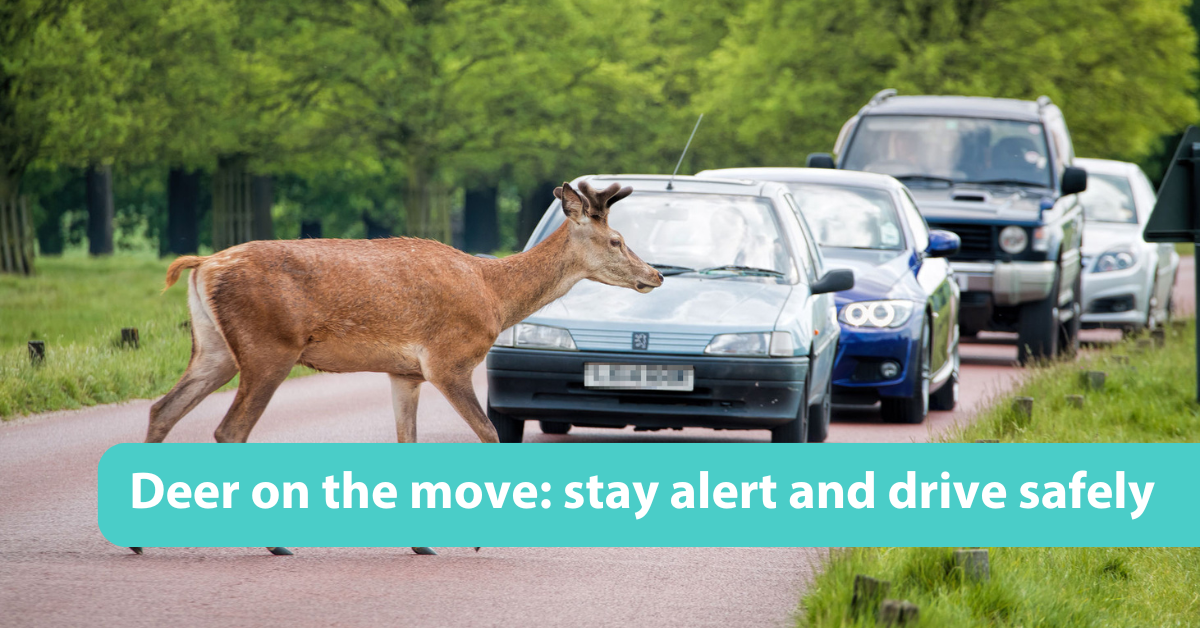
Deer on the move: stay alert and drive safely
By Steve Clarke, Marketing Manager at Fleetmaxx Solutions
As the autumn months roll in, the changing colours of the countryside bring a beauty all their own—but also a hidden danger. According to GEM Motoring Assist, this time of year marks the annual deer rutting season, when deer are far more active, especially at dawn and dusk. With increased movement across rural and semi-rural roads, the risk of deer-related collisions also rises sharply.
It’s estimated that around 75,000 deer are involved in road collisions each year across the UK, with 10–20 driver and passenger fatalities and vehicle repair costs exceeding £11 million annually. It’s a sobering reminder that even small wildlife can create significant hazards on our roads.
At Fleetmaxx Solutions, we’re proud to support GEM’s campaign encouraging all road users to stay alert, drive cautiously, and be mindful of wildlife as the darker months approach.
Why autumn and winter is a higher-risk season
From October through December, deer activity spikes due to the rutting, or breeding, season. These months coincide with shorter daylight hours and the morning and evening rush—times when drivers are already contending with reduced visibility, wet or leaf-covered roads, and glare from low sunlight.
That combination makes this season one of the most challenging for road users, particularly those driving for work in rural areas. For fleets, drivers, and logistics operators, extra caution can mean the difference between a close call and a costly or even tragic incident.
Key road safety advice
GEM’s head of road safety, James Luckhurst, highlights that drivers should stay alert and avoid sudden manoeuvres if a deer runs across their path:
“Expert advice tells us not to swerve for a deer that’s directly in front of us on the road. A sudden change of direction at speed can lead to far more serious consequences, including collisions with other vehicles or roadside obstacles.”
Here are GEM’s top tips to help reduce the risk of deer collisions this autumn:
-
Take note of warning signs and reduce speed in areas known for wildlife.
-
Be extra watchful at dawn and dusk, when deer are most active.
-
Expect more than one deer—they often travel in groups.
-
Avoid swerving sharply; brake firmly and keep control of your vehicle.
-
Always drive at a speed that allows you to stop safely within the distance you can see ahead.
What to do if a deer crosses your path
If a deer jumps into the road ahead, try to stay calm. Brake firmly if it’s safe to do so and keep steering in a straight line. Swerving sharply can cause a loss of control or a more serious collision.
At night, scan both sides of the road for movement or glowing eyes reflecting in your headlights. If you spot one deer, slow down and stay alert, as more are likely nearby.
And if you’re unlucky enough to hit one, stop somewhere safe, switch on your hazard lights, and call the police—never approach an injured animal yourself.
A message for fleet drivers and business operators
Fleet drivers cover thousands of miles across rural routes where deer are common—from the Scottish Borders to the South East of England. It’s crucial for operators to remind their teams that safety comes before speed.
Simple measures such as maintaining clear visibility with a premium screenwash, like that supplied by Fleetmaxx, ensuring tyres and brakes are winter-ready, and using Fleetloc8 Telematics to monitor driver behaviour can all help prevent accidents.
At Fleetmaxx, we’re committed to promoting safer roads for everyone. Whether it’s fuel cards, AdBlue®, Fleetloc8 tracking, or driver compliance tools, we’re here to help fleets stay efficient, compliant, and—above all—safe.
Let’s keep roads safe this season
As the evenings draw in and the roads get busier, take GEM’s advice to heart:
Stay alert for deer, and drive with care.
Together, we can help protect wildlife, prevent collisions, and keep Britain’s roads safe for all who use them.
Contact Fleetmaxx Solutions
📞 01367 704 910
Supporting UK drivers with safer, smarter, and more sustainable fleet solutions.