Summer driving tips from Fleetmaxx Solutions
Summer driving tips By Steve Clarke, Marketing Manager at Fleetmaxx Solutions
Summer should be a time for sun, fun, and hitting the open road—but as anyone who’s spent hours in holiday traffic or dealt with a car overheating at the worst possible moment will tell you, it also brings unique driving challenges. At Fleetmaxx Solutions, we help thousands of drivers and businesses stay safe, fuelled, and in control all year round. So here’s our go-to guide for surviving summer on the roads, from traffic jams to tractors.
Keep your cool: people, pets, and cars
High temperatures put more strain on vehicles, especially the cooling system. Make sure your coolant levels are topped up and your car is serviced before long journeys.
Top tips:
-
Use air conditioning and sunshades to keep the interior temperature down.
-
Carry iced water and stay hydrated.
-
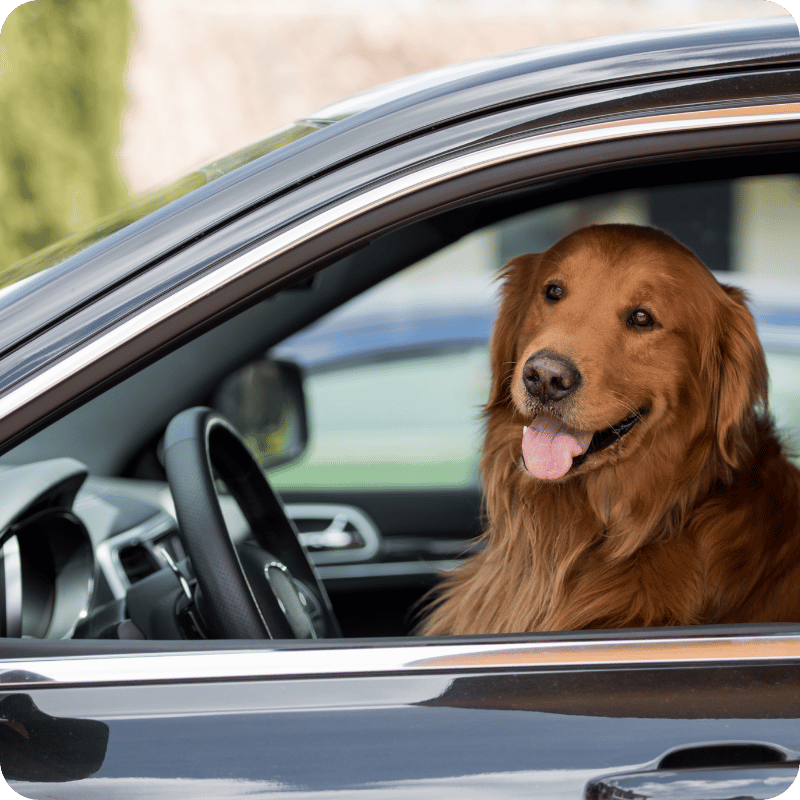
Never leave children or pets in a hot car.
-
Park in shade where possible and use a windscreen sun shield.
Lost or water-damaged keys
It’s surprisingly easy to lose your keys in the sand—or worse, take them for a swim.
Our solution: Keep them safe and dry.
Tyres under pressure
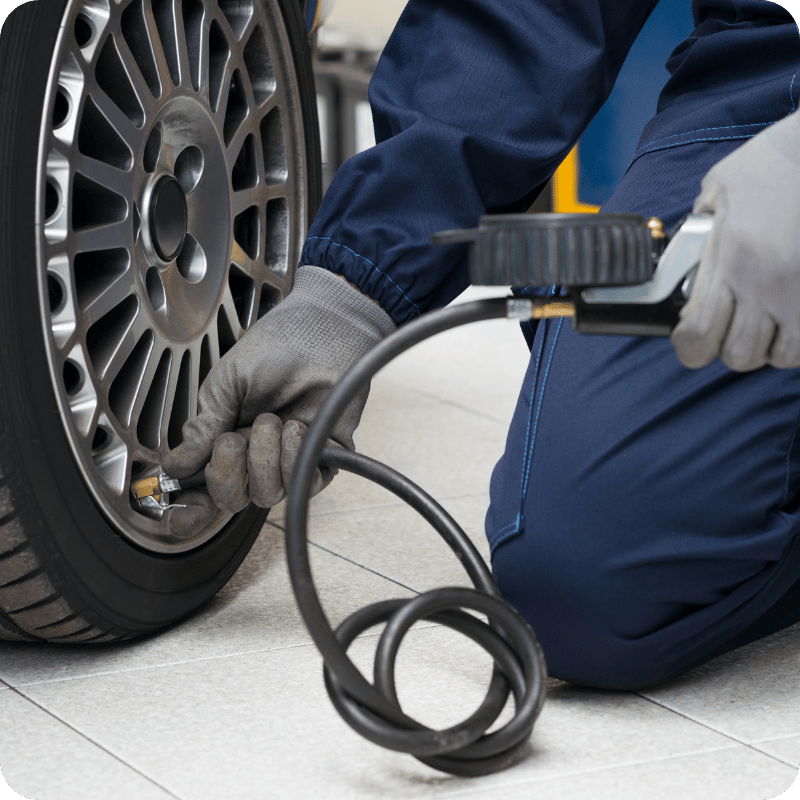
Warm weather increases the risk of punctures, especially if your tyres are worn or under-inflated. Check pressures regularly—don’t forget caravans and trailers too.
Quick tip: Increase tyre pressures to suit heavier holiday loads as advised in your vehicle handbook.
Tractors and countryside driving
Summer means slower vehicles on rural roads. Tractors may stop or turn suddenly—and some don’t have indicators if not used at night.
Stay safe:
- Keep your distance.
- Don’t overtake unless you’re certain it’s safe.
- Avoid parking in gateways or passing places.
Coping with heavy traffic
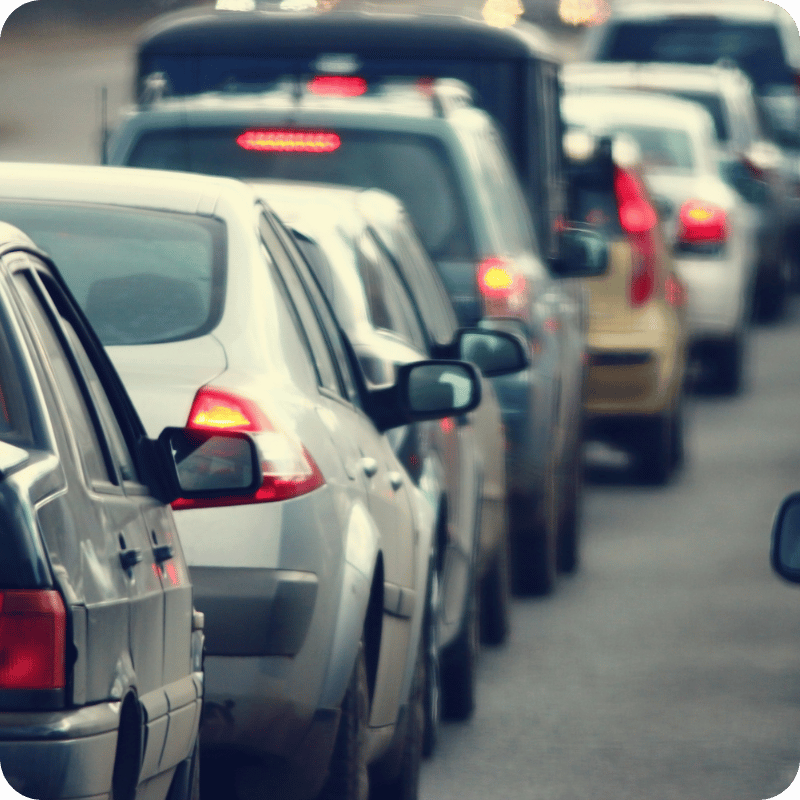
Holiday traffic is no joke. Whether it’s bank holiday queues or festival congestion, follow these tips:
- Drive defensively – expect the unexpected.
- Avoid distractions – phones and infotainment systems can wait.
- Plan ahead – use a route planner to avoid the worst spots.
- Keep a safe distance – at least 3 seconds behind the car in front.
- Stay calm – road rage wastes fuel and ruins your mood.
- Take breaks – every 2 hours or so to recharge yourself, not just your car.
Don’t drive tired
Driving while drowsy is dangerous. Plan breaks on long journeys and avoid big meals or alcohol before driving. A quick nap in a safe, designated area is better than powering through.
Look out for others
Good weather means more cyclists and pedestrians. Drive at safe speeds, avoid distractions, and give vulnerable road users plenty of space.
Hay fever behind the wheel
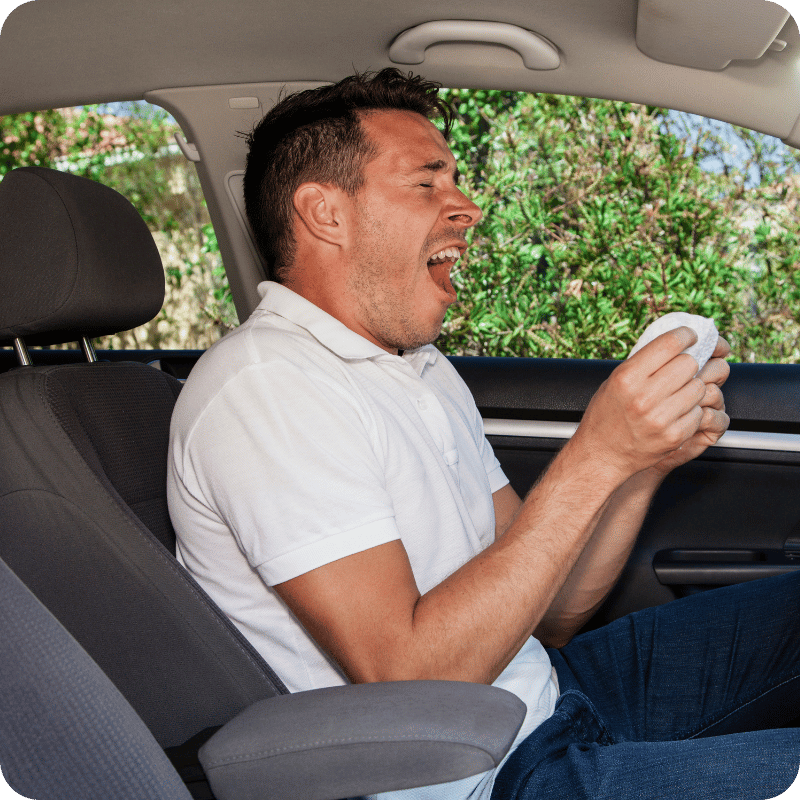
If you’re sneezing and streaming, your reaction times are reduced. If you’re driving:
- Avoid drowsy medication.
- Close windows and air vents.
- Clean your car interior regularly.
If you feel a sneeze coming on, slow down and drop back—at 70mph, sneezing blind could mean 100m of missed vision.
Glare and visibility
Sun glare is a real hazard. Keep your windscreen clean and your wipers in good condition. A pair of sunglasses in the glovebox is a simple but effective fix.
Loose chippings
Watch out for freshly repaired roads. Stick to temporary speed limits, avoid overtaking, and give yourself space to avoid paintwork and windscreen damage.
Fire safety
Never throw lit cigarettes out the window—verges can be bone dry. And remember, it’s illegal to smoke in vehicles carrying passengers under 18.

Be ready for anything
Always be prepared. Keep these essentials in your car:
- Water (and a bowl for pets)
- Snacks
- First aid kit
- Phone chargers
- Sun cream and hats
- Make sure you and your drivers have good breakdown and recovery cover