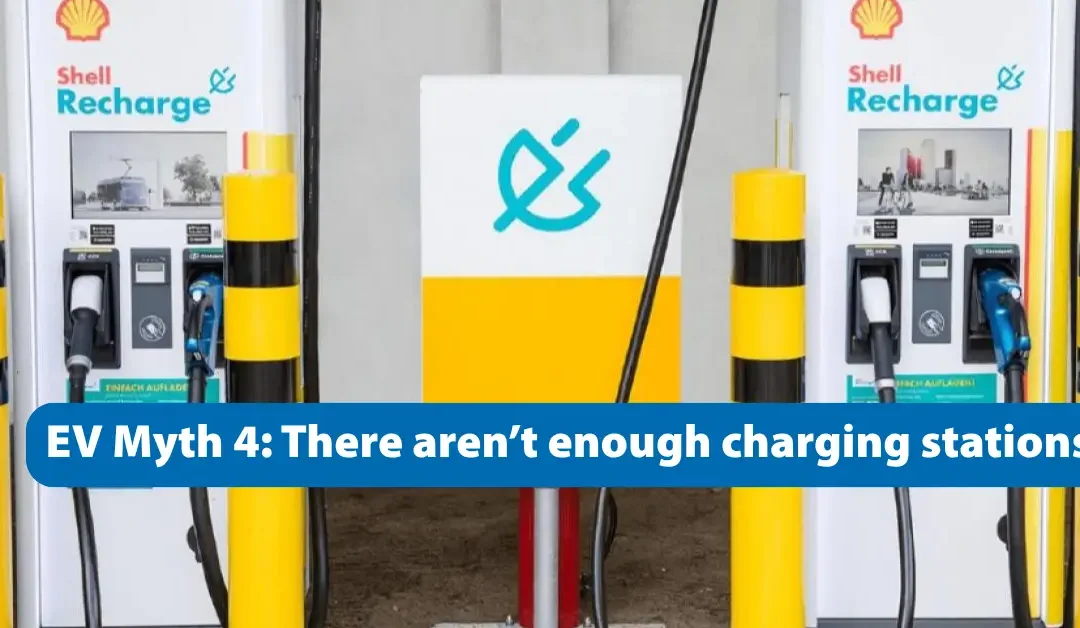
EV Myth 4: “There aren’t enough charging stations, so EVs aren’t practical.”
EV Myth 4 By Kyle Davey – EV Specialist, Fleetmaxx Solutions Ipswich
This is one of the most common concerns I hear when speaking with businesses about switching to electric. Understandably, the idea of being stranded without a charge can be worrying — but the reality of charging infrastructure in the UK is far more encouraging than the myth suggests.
Public charging infrastructure is growing fast
Across the UK, the number of public EV charge points is increasing daily. Rapid and ultra-rapid chargers are being installed at motorway services, supermarkets, business parks, and council-run car parks — making it easier than ever to top up while on the move. Major retailers and hospitality chains have also invested in charging solutions to better serve their customers.
Most EV drivers charge at home
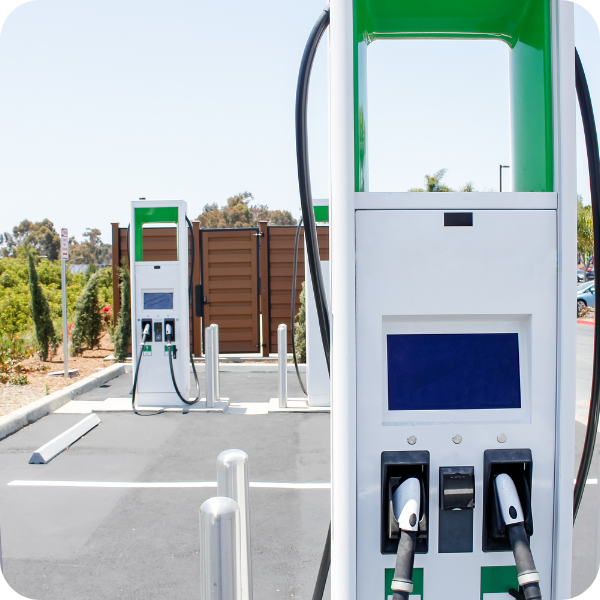
What many people don’t realise is that most EV users rely on home charging. With a standard Level 2 charger, electric vehicles can be fully charged overnight — ready for the next day’s driving. This shift away from traditional fuelling methods eliminates the need to visit a public station every few days.
Smart charging and solar integration are the future
Many drivers are now pairing home EV charging with solar panels. With the rise of smart grid technology, homeowners can use solar-generated electricity to power their vehicles, reducing carbon emissions and energy bills in one go.
Looking ahead: wireless charging and faster innovation
Inductive (wireless) charging is already being piloted in homes, driveways, and even roads. This technology enables vehicles to charge simply by parking in a designated space, removing the need for cables and plugs. It’s an exciting development that makes charging even more accessible.
But what about the electricity mix? Isn’t it still from fossil fuels?
It’s a fair question, and one I hear often. While the grid still contains some fossil fuel sources, the UK’s energy mix is transitioning rapidly. Renewables like wind and solar now account for a significant share of electricity production. This means every EV plugged into the grid becomes cleaner as the grid decarbonises — something a petrol or diesel car can never achieve.
Life-cycle emissions comparison
When considering emissions from production through to daily use, electric vehicles consistently outperform internal combustion engine (ICE) vehicles. Even in regions with higher fossil fuel dependency, EVs typically result in lower overall emissions across their lifetime.