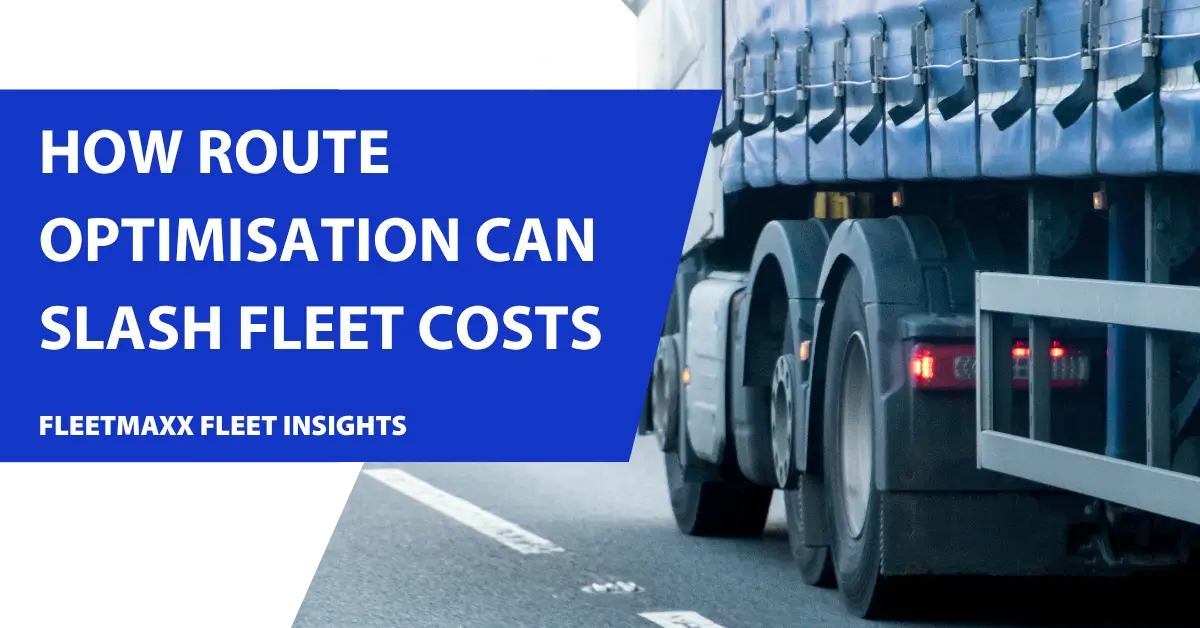
Your fleet could be wasting thousands every year without route optimisation
What is route optimisation guide by Stephen Buckley, Sales Manager and Senior Fuel Analyst at Fleetmaxx Solutions
Route optimisation is the process of planning the most efficient routes for vehicles, drivers and deliveries in order to reduce mileage, lower fuel costs, save time and improve overall fleet performance. It helps businesses work out the best order for stops, the quickest and safest roads to use, and how to maximise vehicle utilisation throughout the working day.
For businesses operating vehicles on the road, route optimisation can become one of the most valuable tools for controlling costs and improving productivity. Whether you run a small van fleet, a large haulage operation or a mixed fleet of diesel, hybrid and electric vehicles, smarter route planning can have a major impact on efficiency.
What is route optimisation in transport and logistics?
In transport and logistics, route optimisation uses advanced software and algorithms to calculate the most efficient journey for every vehicle. Instead of relying on manual planning, paper maps or driver experience alone, route optimisation software analyses thousands of route combinations in seconds to find the best possible solution.
Modern route optimisation technology can consider traffic conditions, delivery windows, vehicle size restrictions, driver hours, fuel efficiency, charging points for electric vehicles and even road types. The result is a route plan that helps businesses save both time and money while improving service levels for customers.
At Fleetmaxx Solutions, we are seeing more businesses asking how route optimisation can help them tackle rising operating costs and improve day-to-day fleet efficiency.
Why is route optimisation important?
Fuel prices, labour costs and vehicle expenses continue to rise, placing increasing pressure on transport operators across the UK. Even small inefficiencies can quickly add up when spread across an entire fleet.
Without effective route planning, vehicles often travel unnecessary miles, drivers spend more time in traffic, fuel usage increases and overtime costs begin to climb. These inefficiencies can also lead to missed delivery slots, unhappy customers and additional wear and tear on vehicles.
Route optimisation helps solve these problems by ensuring vehicles follow the most efficient routes possible. Instead of drivers criss-crossing towns and cities unnecessarily, every journey becomes more structured, controlled and cost effective.

The benefits of route optimisation
One of the biggest advantages of route optimisation is lower operating costs. By reducing unnecessary mileage and improving vehicle utilisation, businesses can significantly lower fuel spend while also cutting maintenance costs, tyre wear and overtime payments. Many operators are surprised at how quickly route optimisation software can identify wasted mileage and inefficient scheduling.
Another major benefit is faster planning. Manual route planning can be time-consuming and stressful, particularly for businesses managing multiple vehicles and delivery schedules. Modern route planning software can import jobs, allocate vehicles and optimise routes within minutes, allowing transport managers to spend less time planning and more time focusing on operations and customer service.
Route optimisation also improves productivity. Businesses are often able to complete more jobs with the same number of vehicles simply by reducing wasted time and improving scheduling efficiency. Vehicles spend less time sitting in traffic or travelling unnecessary miles, which allows fleets to become more productive without increasing fleet size.
Customer service can improve dramatically too. Customers increasingly expect accurate ETAs and reliable deliveries. Route optimisation software helps businesses provide realistic arrival times, reduce delays and improve communication with customers throughout the delivery process.
There are environmental benefits as well. Fewer miles travelled naturally means lower emissions. For businesses working towards sustainability targets, route optimisation can play an important role in reducing carbon output and improving environmental performance.

Route optimisation for electric vehicles
Electric vehicles bring new challenges when it comes to route planning. Businesses must consider vehicle range, charging infrastructure, battery performance and charging times alongside traditional planning factors.
This is where modern route optimisation software becomes incredibly valuable. Advanced systems can calculate routes that include charging stops and optimise schedules around charging times, helping electric fleets operate more efficiently.
For businesses operating mixed fleets, route optimisation can also help decide which journeys are most suitable for electric vehicles and which are better suited to conventional vehicles. This creates a more balanced and efficient operation overall.
Which businesses can benefit from route optimisation?
Almost any organisation operating vehicles can benefit from route optimisation. Haulage companies, couriers, service engineers, utilities, tradespeople and healthcare transport providers are all using route optimisation technology to reduce costs and improve efficiency.
Even businesses with relatively small fleets can unlock substantial savings. In many cases, operators discover they can reduce mileage, improve punctuality and increase productivity far more quickly than expected once smarter route planning is introduced.

What is My Transport Planner?
It’s our route optimisation tool
At Fleetmaxx Solutions, our My Transport Planner platform has been designed to make route optimisation simple, affordable and effective for businesses of all sizes.
My Transport Planner is a state-of-the-art, pay-as-you-go, web-based route planning and transport optimisation platform designed for businesses running vehicles on the road. The platform helps businesses achieve measurable efficiency gains through reduced planning time, lower operating costs, increased productivity, reduced emissions and lower overall mileage.
Importantly, the platform can optimise electric and hybrid vehicles either on their own or as part of a wider mixed fleet, making it ideal for businesses transitioning towards greener transport solutions.
How does My Transport Planner work?
The process begins with a free benchmark service that helps assess the potential efficiencies the platform could deliver for your organisation. Businesses can then experience the award-winning pay-as-you-go route optimisation service for three months to confirm the efficiencies firsthand.
Once the trial period is complete, Fleetmaxx Solutions works with businesses to refine the most suitable route planning package before go-live. From there, operators can begin benefiting from smarter route planning, lower costs and improved productivity almost immediately.
The key benefits of My Transport Planner
One of the biggest attractions of My Transport Planner is the potential reduction in operating costs. The platform can help businesses cut costs by up to 30% through lower fleet mileage, reduced planning time, improved vehicle utilisation and reduced overtime or subcontractor usage.
Planning routes also becomes significantly quicker and easier. Users can import jobs, allocate vehicles and optimise routes within minutes while still retaining the flexibility to drag and drop routes, make manual changes and generate customer ETAs.
The platform delivers strong return on investment too. Starting from just 99p per vehicle route per day, many businesses find the savings generated through lower fuel usage and reduced mileage quickly outweigh the cost of the platform itself.
Another major advantage is mileage reduction. My Transport Planner can help reduce total fleet mileage by up to 20% compared to manual planning methods. This not only lowers fuel costs but also helps reduce emissions and vehicle wear.
For electric fleets, the platform provides additional benefits by helping operators schedule charging times and plan routes more effectively around vehicle range and charging infrastructure.
The five steps to route optimisation success
With My Transport Planner
At Fleetmaxx Solutions, we understand that every fleet is different. That is why our approach is designed to help businesses identify measurable improvements before making long-term commitments.

Step 1:
Validation
We begin with a free benchmarking service to identify where operational efficiencies can be achieved within your business.

Step 2:
Action
Businesses can then trial our award-winning pay-as-you-go optimisation service for three months to verify the savings and operational improvements.

Step 3:
Learn
Once efficiencies are proven, we help select the solution bundle best suited to your operation, with flexible terms available from 12 to 60 months.

Step 4:
Update
Using insights gathered during the trial phase, we refine your optimisation strategy and prepare for full implementation.

Step 5:
Optimize
Your fleet begins operating with smarter planning, improved efficiency, reduced mileage and lower emissions.
Reduce fleet running costs with smarter route optimisation
If your business is looking for ways to reduce annual mileage, lower fuel costs, improve productivity and reduce emissions, route optimisation could become one of the most valuable investments you make.
At Fleetmaxx Solutions, our My Transport Planner platform helps businesses take control of vehicle operating costs through smarter, faster and more efficient route planning technology.
In a world where every mile matters, route optimisation helps ensure your vehicles work harder, travel smarter and cost less to operate.

Frequently asked questions about route optimisation
What is route optimisation?
Route optimisation is the process of finding the most efficient routes for vehicles to reduce mileage, lower fuel costs and improve operational efficiency.
What is the difference between route planning and route optimisation?
Route planning simply maps a route between destinations. Route optimisation uses intelligent software to calculate the most efficient route based on traffic, mileage, delivery windows and operational requirements.
Can route optimisation reduce fuel costs?
Yes. By reducing unnecessary mileage and improving route efficiency, businesses can significantly lower fuel consumption and operating costs.
Can route optimisation help reduce emissions?
Yes. Fewer miles travelled means lower fuel usage and reduced vehicle emissions, helping businesses improve sustainability performance.
Is route optimisation suitable for small fleets?
Absolutely. Even businesses operating only a handful of vehicles can achieve noticeable savings and productivity improvements through smarter route planning.
Can My Transport Planner optimise electric vehicles?
Yes. My Transport Planner can optimise electric and hybrid vehicles while considering charging infrastructure and charging times.
How much can businesses save with route optimisation?
Many businesses can reduce costs by up to 30% and lower total fleet mileage by up to 20% through effective route optimisation.
What is My Transport Planner?
My Transport Planner is a web-based route optimisation platform from Fleetmaxx Solutions designed to help businesses reduce costs, improve productivity and optimise fleet operations.
Useful route optimisation resources
Where can I find advice on reducing fleet fuel use and emissions?
The Energy Saving Trust business fleet advice is a useful resource for businesses looking to reduce fuel use, cut emissions and improve fleet efficiency.
Where can I find government guidance on reducing carbon emissions?
You can view UK Government guidance on reducing your organisation’s carbon footprint here:
reducing your organisation’s carbon footprint.
Where can I check live traffic information for route planning?
The National Highways traffic information service provides live updates that can help businesses and drivers plan journeys more effectively.
Where can I find more logistics and transport industry guidance?
The Logistics UK website is a useful industry resource for transport, logistics and fleet operators.