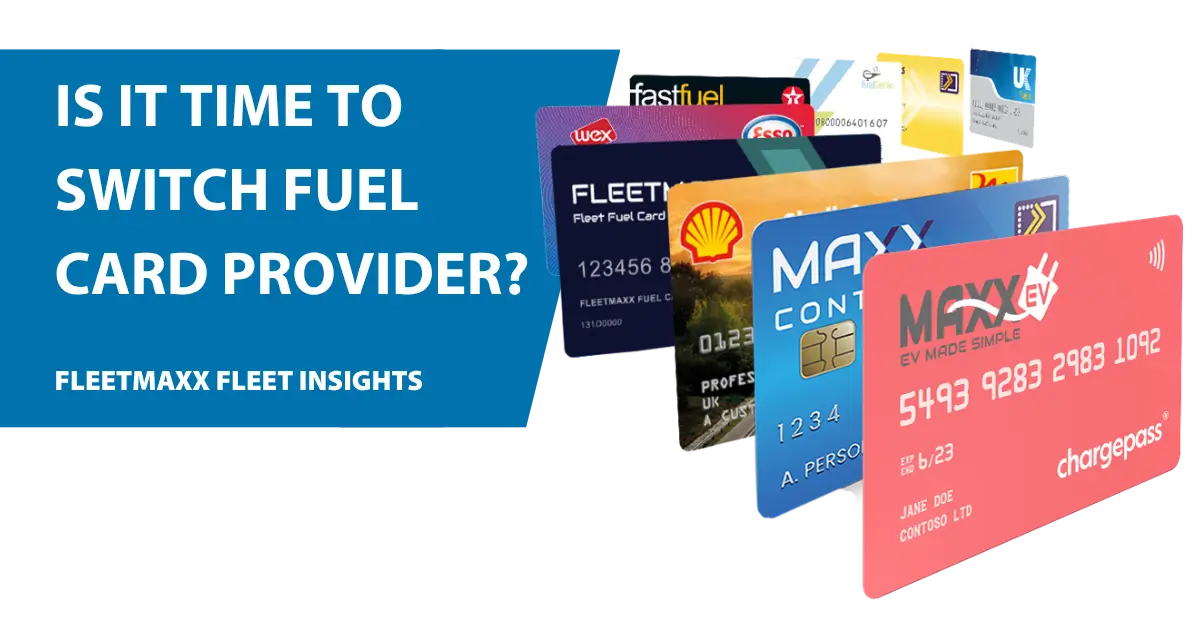
How to switch fuel card suppliers: A simple guide
Switching fuel card suppliers, a guide by Stephen Buckley, Sales Manager and Senior Fuel Analyst at Fleetmaxx Solutions
If you are unhappy with your fuel card price, service or account support, you do not have to put up with it.
Switching fuel card suppliers is normally far easier than most businesses expect. In many cases, you are unlikely to be tied into a fixed-term contract, although you should always check your current provider’s terms and conditions before cancelling.
A good fuel card provider will guide you through the entire process, from analysing your current fuel bills and opening your new account to issuing your cards and coordinating the changeover.
Why switch fuel card providers?
There are plenty of reasons why businesses decide to switch fuel card providers. You might be paying too much for fuel, struggling to speak to anyone about your account or discovering extra charges that were not made clear when you signed up.
You may also have noticed that your fuel price looked competitive at the beginning but gradually increased over time.
Whatever your reason for looking elsewhere, my advice is simple: ask questions, compare the complete service and never judge a fuel card purely by the price quoted during the first week.
The right provider should help you:
- Reduce your overall fuel costs
- Save time on administration
- Find suitable filling stations
- Improve control over driver spending
- Protect your account against misuse
- Simplify VAT reclaim
- Access helpful online account management
- Receive support from a named account manager
Switching should be about securing a better overall service, not simply moving from one piece of plastic to another.

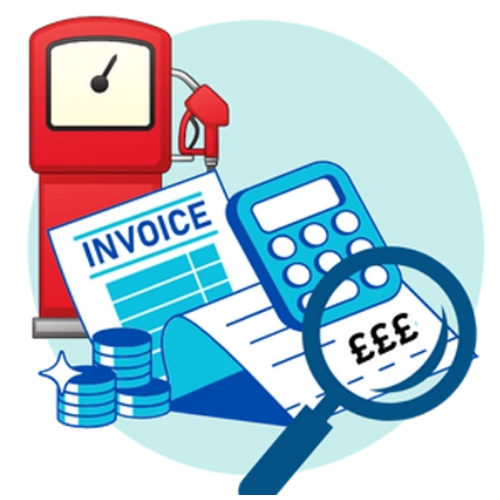
Start with a free fuel bill analysis
Before switching fuel card suppliers, ask for a free fuel bill analysis.
At Fleetmaxx Solutions, we can review your existing fuel invoices and help identify the prices, charges and purchasing patterns that may be costing your business money.
A proper fuel bill analysis should look beyond the headline price. It should examine:
- The price paid for diesel and petrol
- The locations used by your drivers
- Any card, network or transaction charges
- Out-of-network purchases and surcharges
- The amount of fuel purchased
- The suitability of the current network
- Opportunities to improve purchasing control
This helps us recommend a fuel card based on how your fleet actually operates.
A card offering the lowest advertised price is not necessarily the best choice if your drivers must travel several miles out of their way to use it. The additional fuel, time and mileage could quickly wipe out the apparent saving.
Ask your fuel card supplier some awkward questions
A good fuel card provider should be happy to answer detailed questions. If the answers are unclear or evasive, that should tell you something.
Before opening a new account, ask:
Will I have a named account manager?
Knowing who to contact can make an enormous difference. You should not have to explain your business to a different person every time you need assistance.
A named account manager can get to know your fleet, understand your priorities and recommend ways to improve your account.
Will you genuinely save me money?
Do not settle for a vague promise. Ask the provider to demonstrate where the savings could come from.
This might include a more competitive weekly fuel price, improved network coverage, fewer surcharges or better control over unauthorised spending.
Are there any hidden or additional costs?
Ask about every potential fee, including:
- Annual card charges
- Transaction fees
- Network charges
- Replacement card fees
- Invoice charges
- Late-payment charges
- Out-of-network surcharges
- Minimum usage requirements
A trustworthy provider should explain its charges before you open the account.
Will I have access to an online account management system?
An online fuel card management system can help you monitor transactions, manage cards, access invoices and maintain greater control over your fuel expenditure.
Ask what the system allows you to do and whether there are additional charges for using it.
Will you save my business time?
A good fuel card should reduce administration as well as costs.
HMRC-compliant invoices can bring qualifying fuel transactions together into a clear record, helping your accounts team manage VAT reclaim more efficiently. Always retain the required evidence and follow the latest HMRC guidance for your circumstances.
Will my fuel price automatically increase over time?
Some businesses discover that a competitive introductory price gradually becomes less attractive.
Ask how prices are calculated, how frequently they change and whether the provider uses automated systems that could increase your margin or fuel price over time.
Your provider should be transparent about its pricing structure and willing to discuss any concerns.
Will you become a trusted fleet partner?
This may be the most important question.
Your fuel card supplier should take an interest in your long-term success. That means helping you control costs, resolve problems and identify useful services, not simply issuing cards and disappearing.
Is switching fuel card suppliers difficult?
Opening a new fuel card account should be straightforward.
A good provider should allow you to apply in the way that is most convenient for you. This could be over the telephone, through an online application or by completing a physical application form.
The credit approval process should be handled swiftly and professionally. Once your application is approved, your new cards should be issued promptly.
Your new account manager should also help coordinate the transition between your existing and new fuel cards. This could include agreeing a changeover date, arranging the distribution of cards to drivers and ensuring everyone knows when to stop using the old account.
With a little planning, your business should be able to switch fuel card providers without disrupting day-to-day operations.
What will I need to apply for a fuel card?
The information required can depend on your business structure and the provider’s credit assessment process. You may be asked for additional documentation, but the following is a useful guide.
Limited companies
A limited company may be asked to provide:
- Company registration details
- Business banking information
- Details of the directors or authorised applicant
- Proof of the company address, such as a utility bill or bank statement
- An estimate of expected fuel expenditure
Sole traders
A sole trader may be asked to provide:
- Proof of address, such as a utility bill or bank statement
- Photo identification, such as a driving licence or passport
- Business and banking information
- An estimate of expected fuel expenditure
Providing clear and accurate information will help the application and credit approval process progress smoothly.
What happens after your new account opens?
Your account manager should not disappear once your fuel cards arrive.
They should remain in regular contact to ensure that you are receiving the expected service, savings and security benefits. They should also be available to review your usage, discuss pricing and help if your fleet requirements change.
A proper account review could cover:
- Current fuel prices
- Driver purchasing behaviour
- Changes to your routes
- New filling station requirements
- Card security controls
- Additional vehicles or drivers
- Potential fleet cost savings
- Other useful fleet services
Your provider should continue earning your business after the account has opened.
Look beyond the fuel card
Switching fuel card providers is also an opportunity to consider the wider support available to your fleet.
Working with a provider offering several connected services can reduce the number of suppliers you need to manage. Depending on your operation, these services might include:
- AdBlue supply and AdBlue storage solutions
- Vehicle tracking and telematics
- Cameras and dash cams
- Transport consultancy
- Vehicle compliance tools
- Driver and licence checks
The objective is not to sell your business services it does not need. It is to provide convenient access to suitable solutions when they could save you time, improve compliance or reduce costs.
Is now the right time to switch fuel card providers?
If you have not reviewed your fuel card account recently, now is a sensible time to do it.
You may already have a competitive price and excellent service. If so, a review will give you confidence that your current arrangement remains suitable.
However, if you are paying unexplained charges, struggling to get support or suspect your fuel price has quietly increased, you should explore your options.
Switching fuel card suppliers can be simple, quick and worthwhile. Begin with a free fuel bill analysis, ask some awkward questions and choose a provider that is prepared to become a genuine partner to your business.
At Fleetmaxx Solutions, we will take the time to understand your fleet, analyse your existing fuel expenditure and recommend an appropriate fuel card without unnecessary complications.
Speak to our team today to arrange your free fuel bill analysis and discover how straightforward switching fuel card providers can be.