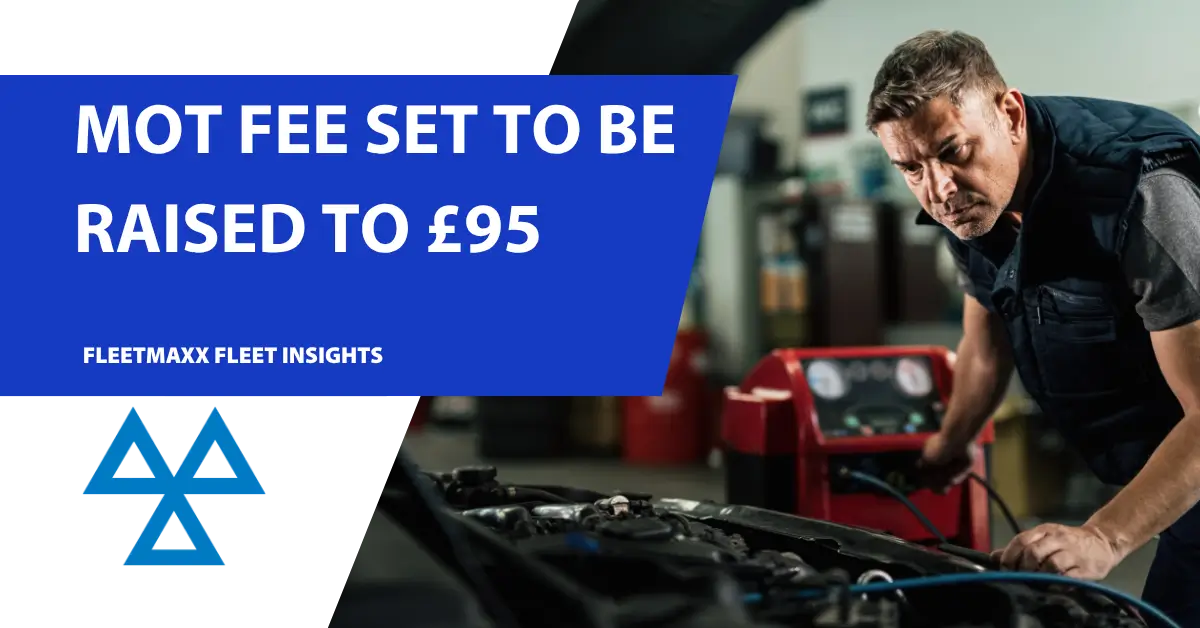
Fleet operators could face longer waits for MOT appointments, increased testing costs and more vehicle downtime as independent garages call for the maximum MOT fee to rise to £95.
The Independent Garage Association has warned that many MOT testing centres are reaching breaking point after operating under the same maximum fee for 16 years.
The current fee for a car MOT is capped at £54.85 and has remained unchanged since 2010. However, garages have faced significant increases in energy costs, wages, equipment, technician training and general operating expenses during that period.
The Independent Garage Association believes the fee must now increase substantially if MOT testing is to remain commercially viable for independent garages.
Why garages say the current MOT fee is unsustainable
The cost of operating an MOT testing bay has risen considerably since the current fee was introduced.
Garages must maintain specialist testing equipment, keep technicians properly trained and ensure their facilities meet strict regulatory standards. They are also having to invest in the knowledge and technology required to work safely with electric vehicles and advanced driver assistance systems.
Despite these growing demands, the maximum amount garages can charge for an MOT has remained frozen.
The Independent Garage Association says some garages are already reducing the number of MOT appointments they offer because testing bays are no longer generating enough income to justify the investment required.
If more garages follow, fleet operators could find themselves competing for a smaller number of available appointments.
What could a £95 MOT fee mean for fleets?
For a private motorist, a higher MOT fee would mean an additional annual expense. For a business operating dozens or hundreds of vehicles, the financial impact could be much greater.
A fleet of 100 vehicles could see its maximum annual MOT testing cost rise from £5,485 to £9,500, before any repair work, retesting or vehicle downtime is taken into account.
The proposed increase has not yet been confirmed, but the wider warning should still concern fleet managers.
Reduced testing capacity could create several operational challenges, including:
- Longer waiting times for MOT appointments
- Greater difficulty securing tests at short notice
- Increased vehicle downtime
- Higher maintenance and testing costs
- Greater pressure on replacement vehicles
- Disruption to scheduled work and customer commitments
Businesses may need to book tests further in advance and build additional flexibility into their fleet maintenance schedules.
Vehicle downtime could be the biggest cost
The MOT fee itself is only one part of the potential expense.
When a commercial vehicle is unavailable, it may be unable to complete deliveries, attend jobs or generate revenue. The business could also face the cost of hiring a replacement vehicle, reorganising workloads or paying drivers who cannot complete their planned duties.
For many fleets, the indirect cost of losing a vehicle for a day will be far greater than the additional MOT fee.
This makes preparation increasingly important. A vehicle that arrives at the garage with avoidable defects is more likely to fail, require repairs and remain off the road for longer.
Regular checks cannot guarantee that a vehicle will pass its MOT, but they can help businesses identify obvious safety and maintenance issues before they develop into more serious problems.
An industry summit is planned
The Institute of the Motor Industry and the Driver and Vehicle Standards Agency are due to hold an industry round table on 21 October 2026.
The event will bring together trade associations, road safety organisations and other stakeholders to discuss the financial pressures affecting MOT garages.
It will also examine the growing investment required to support newer vehicle technologies, including electric vehicles and advanced driver assistance systems.
The aim is to find a solution that protects the viability of MOT testing while remaining fair and accessible for motorists and businesses.
The Institute of the Motor Industry also intends to survey its members about the pressures affecting investment in MOT equipment and technician training.
The MOT is only a snapshot
One important point for every operator to remember is that an MOT certificate only confirms that a vehicle met the required standards at the time of the test.
It does not remove the operator’s responsibility to keep that vehicle safe, roadworthy and properly maintained throughout the rest of the year.
A light can fail, a tyre can become damaged or a warning light can appear at any time. That is why regular vehicle inspections and effective defect-reporting procedures are essential.
Drivers are often the first people to notice a developing problem. They therefore need a simple way to complete their daily walk-round checks and report defects before the vehicle begins its journey.
Paper forms can be misplaced, completed incorrectly or left in a cab. They can also delay important information from reaching the fleet manager or maintenance team.
In a busy operation, even a short delay could allow a minor defect to become a serious safety risk or an expensive repair.
Make daily checks easier with CheckedSafe
The CheckedSafe driver walk-round app provides a straightforward digital alternative to paper-based vehicle checks.
Drivers can complete their required inspections using a smartphone or tablet, with the results available to fleet managers through a real-time online dashboard.
If a defect is identified, it can be recorded and reported promptly, helping the business take action before the vehicle is used or the problem becomes more serious.
Digital records also provide a clear audit trail, helping operators demonstrate that checks have been completed and that reported defects have been managed appropriately.
CheckedSafe can help your business:
- Complete and record daily driver walk-round checks
- Report vehicle defects promptly
- Give fleet managers real-time visibility
- Maintain reliable inspection records
- Reduce paperwork and administrative time
- Support roadworthiness and fleet compliance
- Identify recurring vehicle problems
- Prepare vehicles more effectively for inspections and MOT tests
With possible pressure on MOT availability, operators cannot afford avoidable failures, preventable downtime or incomplete compliance records.
CheckedSafe helps you stay in control of daily vehicle inspections, ensure defects are reported promptly and support the ongoing compliance and roadworthiness of your fleet.
At Fleetmaxx Solutions, we can help you introduce CheckedSafe across your operation for just £1 per vehicle, per week, with a 30-day free trial available.
Get in touch with our team to learn more and discover how digital walk-round checks could help keep your vehicles safe, compliant and on the road.