FLEETBLUE: OUR OWN LICENSED ADBLUE®

Buy AdBlue, FleetBlue licensed AdBlue® direct from a UK manufacturer, by cutting out the middleman you can save up to 50% on AdBlue forecourt prices!

licensed adblue

Cut out the middleman and save money.

Fleetmaxx Solutions manufactures FleetBlue, our own licensed AdBlue®  (Diesel Exhaust Fluid) here in the UK to meet ISO 22241 standards, so we can offer the best possible service at the lowest possible price. So buy AdBlue direct from us.

FleetBlue is available in the following container sizes:

N

1,000L Intermediate Bulk Containers (IBC)

N

205L barrels

N

20L containers

N

10L Containers

N

5L Containers

N

Bulk deliveries are also available.

On average, when you buy AdBlue from Fleetmaxx, our prices are up to 50% cheaper than pump prices and offer our customers up to £500 savings off the usual forecourt price per 1,000 Litre.

adblue supplier

AdBlue fuel cards

For added convenience, drivers can purchase AdBlue on the road using their Shell Maxx Fuel Card, Shell CRT Fuel Card or UK Fuels fuel card from Fleetmaxx Solutions, helping vehicles stay compliant without returning to base. All AdBlue purchases are included on a single, HMRC-compliant fuel card invoice, making VAT recovery simple and straightforward.


Bulk AdBlue vs forecourt AdBlue

For businesses operating diesel vehicles, AdBlue is an essential running cost. Many drivers purchase AdBlue from forecourts or pumps when they need it, but this is not always the most cost-effective option for fleet operators.

Buying AdBlue in larger quantities can help reduce the cost per litre, improve stock control, reduce emergency purchases, and make day-to-day fleet operations more efficient. For businesses using vans, HGVs, buses, coaches, plant machinery, or off-road equipment, switching from forecourt AdBlue to bulk AdBlue® can create significant savings over time.

Forecourt AdBlue can be useful for occasional top-ups, but regular fleet use can quickly become expensive when drivers are buying small quantities at retail prices. It can also make record keeping harder, especially when multiple drivers are purchasing AdBlue from different sites and submitting individual receipts.

Bulk AdBlue® gives businesses greater control. By storing AdBlue on-site in containers, barrels, IBCs, or a dedicated bulk tank, fleet operators can reduce the need for drivers to make separate AdBlue® purchases while improving visibility over stock levels and consumption.

FleetBlue from Fleetmaxx Solutions gives businesses access to licensed AdBlue® direct from the manufacturer. Because FleetBlue is produced and supplied directly, businesses can benefit from highly competitive pricing, with potential savings of up to 50% compared with forecourt AdBlue® prices.

Benefits of buying AdBlue in bulk


Purchase Method Typical Cost Convenience
Pump AdBlue® Highest Medium
Forecourt Containers Medium Medium
Pallet of containers Lower LowerHigh
Barrels Lower High
IBCs Lower High
Bulk tank Lowest Highest


adblue bulk deliveries<br />
AdBlue - Licensed AdBlue® - Fleetblue

Fed up with IBC deposits, delivery charges and remembering to re-order?

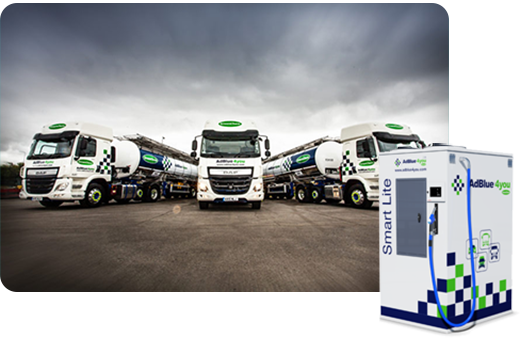
Our Smart Tank automatic telemetry refill service is right for you.

Our Smart Tank customers rely on us to fill up their bulk AdBlue dispensing systems automatically. We supply a tank with a telemetry unit installed within it, which measures the AdBlue® level each night and transfers this data to our partner’s central logistical software, which helps them to efficiently plan the refilling of our customers’ tank.

The bulk delivery trucks are planned using the most efficient route and by optimising distances where possible, in order to minimise the carbon footprint on the environment.

The benefits of our licensed AdBlue Smart Tank telemetry service include:
  • Automatic refills.
  • No more IBC deposits.
  • No more delivery fees.
  • Convenient for drivers.
  • No need to regularly change IBC pumps.
  • No need to arrange the return of IBCs.
  • Will always have a supply of AdBlue®.
  • Service and maintenance included.
  • Non-drip system / clean.
  • Reduced admin.

AdBlue Smart Tanks to suit all businesses

Smart Lite

An onsite bulk container that stores up to 2,300 litres of AdBlue®.

Smart Plus

For customers that require a larger store of up to 3,350 litres.

Smart 5000

If you require up to 5,000 litres. Larger Smart Tanks are available.

AdBlue storage guide

Buying high-quality AdBlue® is only part of the equation. Proper storage is essential to maintain product quality, maximise shelf life, and avoid costly vehicle or equipment issues caused by contaminated AdBlue®.

Temperature is one of the most important storage considerations. Ideally, AdBlue® should be stored between -5°C and 25°C. While it can freeze at approximately -11°C, it will return to its original condition once thawed. However, prolonged exposure to high temperatures can reduce quality and shorten shelf life.

Direct sunlight and UV exposure can also affect AdBlue® over time, so it should be stored in suitable containers, IBCs, or dedicated storage tanks designed to protect the product from contamination and environmental conditions.

When stored correctly, AdBlue® typically has a shelf life of 12 to 18 months. Using a stock rotation system and keeping product in a cool, dry location can help maximise its lifespan.

Contamination is one of the most common causes of AdBlue® problems. Even small amounts of dirt, fuel, oil, dust, or tap water can affect product purity and potentially damage SCR systems. Businesses should always use clean dispensing equipment and approved storage solutions.

Fleet operators may also encounter crystallisation, where white crystals form around filler caps, pumps, or dispensing equipment as AdBlue® dries. While minor crystallisation is normal, excessive build-up can indicate poor storage or handling practices.
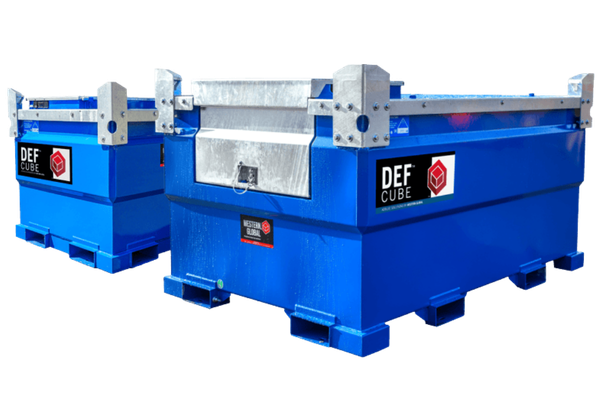


For larger fleets, dedicated AdBlue® storage tanks and Smart Tank solutions can help maintain product quality, improve stock control, and ensure a reliable supply of AdBlue® is always available.

How much AdBlue does a vehicle use?

One of the most common questions fleet operators ask is how much AdBlue® their vehicles should be using. The answer depends on several factors, including the type of vehicle, engine size, operating conditions, load weight, driving style, and the emissions technology fitted by the manufacturer.

As a general guide, most vehicles consume AdBlue at a rate of between 3% and 8% of diesel usage. This means that for every 100 litres of diesel consumed, a vehicle will typically use between 3 and 8 litres of AdBlue®. However, actual consumption can vary significantly depending on vehicle type and operating conditions.

Monitoring AdBlue consumption is important because unusually high or low usage may indicate a potential issue with the vehicle, SCR system, operating practices, or record keeping processes. Understanding the expected AdBlue® to diesel ratio can help fleet managers identify problems early and maintain compliance with environmental standards.

Typical AdBlue consumption ratios

Vehicle Type Typical AdBlue® Consumption
Light commercial vans 3% to 5% of diesel usage
HGVs and articulated vehicles 4% to 8% of diesel usage
Coaches and buses 4% to 7% of diesel usage
Construction and plant equipment 3% to 8% of diesel usage


Check your fleet with our AdBlue Diesel Ratio Calculator

Because AdBlue consumption can vary between vehicle types and operating conditions, it is important to monitor usage regularly. Unexpected changes in AdBlue consumption can indicate potential maintenance issues, inefficient operating practices, inaccurate record keeping, or even product loss.

To help fleet operators monitor performance more effectively, Fleetmaxx Solutions has developed a free AdBlue Diesel Ratio Calculator. The calculator allows you to compare diesel and AdBlue® usage quickly and determine whether your fleet is operating within expected consumption ranges.

This can be particularly valuable for transport operators working towards FORS accreditation, supporting DVSA compliance requirements, or simply looking to improve fleet efficiency and control costs.

AdBlue consumption in vans

Modern Euro 6 vans typically consume AdBlue at a relatively modest rate, often between 3% and 5% of diesel usage. Vehicles operating mainly on motorways may experience lower consumption, while those working in urban environments with frequent stop-start driving may use AdBlue more quickly. Monitoring consumption helps ensure vehicles remain compliant and continue operating efficiently.

AdBlue consumption in coaches and buses

Coaches and buses generally operate within a similar AdBlue consumption range to HGVs. Vehicles covering long-distance motorway routes may experience different consumption patterns compared to urban buses operating in congested traffic. Monitoring AdBlue® usage can help operators maintain reliability and avoid unexpected downtime.

AdBlue consumption in construction equipment

Many modern construction and plant machines now use SCR technology and require AdBlue® to meet emissions regulations. Consumption levels can vary significantly depending on engine load, operating hours, and the type of equipment being used. Excavators, generators, telehandlers and other off-road machinery may all have different AdBlue requirements.

AdBlue consumption in HGVs

HGV fleets are among the largest users of AdBlue. Most modern trucks consume AdBlue® at a rate of approximately 4% to 8% of diesel usage, depending on vehicle specification, load weights, routes, and operating conditions. Given the large volumes involved, even small improvements in AdBlue purchasing and management can generate significant savings across a fleet.

Customer Service

Contact our FleetBlue, AdBlue team today

If you are looking to buy AdBlue or have some questions, our team of trusted partners are on hand to discuss all of your requirements.  Please complete the simple enquiry form, and we’ll get back to you promptly.

Please note that your information is stored on our server as you enter it. By giving us your email address you confirm you are happy for us to notify you of offers and services by email. We won’t bombard you – tell us at any time if you want to unsubscribe. Don’t worry – we respect your data. We keep it securely and responsibly and we only release it in accordance with the law; otherwise we don’t pass on. See privacy policy for more. privacy policy .
This field is hidden when viewing the form
Hidden - Business Type
This field is hidden when viewing the form
 

Frequently asked questions about licensed AdBlue®

Why do I need AdBlue®?

 lYour diesel vehicle will not allow you to drive without licensed AdBlue. It should display a warning light when AdBlue is low, go on limp mode, and refuse to start if you completely run out.

What is AdBlue®

AdBlue® is a diesel exhaust fluid (DEF) used in modern diesel vehicles and machinery equipped with Selective Catalytic Reduction (SCR) technology. Although many people assume AdBlue is a fuel additive, it is actually stored in a separate tank and injected into the vehicle’s exhaust system after combustion has taken place. Its purpose is to reduce harmful nitrogen oxide (NOx) emissions and help diesel engines comply with modern emissions legislation.

AdBlue® is made from 32.5% high-purity urea and 67.5% deionised water, a specification commonly known as AUS 32. This precise formulation is critical to ensuring the SCR system operates correctly and delivers the emissions reductions expected by vehicle manufacturers and regulators.

Today, AdBlue is used in millions of diesel-powered vehicles, including HGVs, vans, buses, coaches, agricultural machinery, construction equipment and company cars. As emissions regulations have become stricter, AdBlue® has become an essential part of keeping modern diesel fleets compliant, efficient and operational.

Why do my vehicles need AdBlue®?

You need to use AdBlue in your diesel vehicles to reduce nitrous oxide emissions. This is due to stricter emission legislation, which aims to neutralise exhaust gases from diesel engines to help the environment.

What does AdBlue do?

AdBlue® plays a vital role in reducing harmful emissions produced by diesel engines. When injected into the exhaust system, the fluid reacts within the vehicle’s SCR catalyst to convert harmful nitrogen oxides into harmless nitrogen and water vapour before they are released into the atmosphere. This process significantly reduces the environmental impact of diesel vehicles and helps manufacturers meet Euro 6 emissions standards.

Without AdBlue, modern SCR-equipped diesel engines would not be able to achieve the low NOx emission levels required by current legislation. This is why most modern diesel HGVs, vans and many passenger vehicles rely on AdBlue® as part of their emissions control systems.

For fleet operators, AdBlue is not simply a compliance requirement. Maintaining the correct supply of high-quality AdBlue® helps vehicles remain road legal, prevents costly downtime, supports environmental targets and ensures engines continue operating as designed by the manufacturer.

How much AdBlue® will I need?

The amount you use will depend on the number of miles you drive. If you use your vehicle a lot, you will find yourself going through more AdBlue. The good news is that licensed AdBlue® is inexpensive and easy to top-up yourself.

How do I check if my vehicle needs me to use it®?

If your diesel vehicle has a black or blue cap adjacent to your main fuel cap, then it requires AdBlue.

What will happen if I run out of AdBlue®?

If your vehicle runs out of AdBlue, it will go into “limp” mode. Most vehicles require a minimum amount of licensed AdBlue to be refilled before the engine will be able to be started again.

Can I drive if my AdBlue® tank is empty?

You should never let your car run out of AdBlue. If it does, the engine will go into ‘limp’ mode, drastically reducing power to keep NOx emissions within legal limits. If that happens, a warning will appear on the vehicle’s display panel, and you should always then refill the AdBlue tank as soon as possible.

What is Adblue® made of?

AdBlue is ultimately a solution of urea (yes, a component of synthetic urine) and deionized water. It is completely colourless and non-toxic.

The urea in licensed AdBlue is pure and of a higher grade than the urea found in glues, cosmetic goods, or fertilisers. The water in AdBlue is also demineralised and purified, meaning it is much cleaner than water from a domestic tap.

How does licensed AdBlue® reduce pollution?

AdBlue produces a chemical reaction when injected into the exhaust system of a diesel engine.

The chemical reaction neutralises the harmful nitrous oxide emissions produced by diesel cars.

This tackles air pollution by reducing exhaust emissions and enhancing air quality.

How can I check the AdBlue® level in my vehicle?

You will find that most vehicles will display a warning sign which will notify you if you are low on AdBlue. To check the AdBlue levels manually, please consult your vehicle’s documentation or contact the vehicle manufacturer for guidance.

Why is AdBlue important for fleets?

For many fleet operators, AdBlue® is now just as important as diesel. Running out of AdBlue can trigger dashboard warnings, restrict vehicle performance and, in many cases, prevent a vehicle from restarting once the AdBlue tank is empty. This can result in unexpected downtime, missed deliveries and increased operating costs.

Businesses operating HGVs, vans, buses, coaches and specialist commercial vehicles therefore need a reliable and cost-effective AdBlue supply strategy. Whether this involves drums, IBCs, bulk deliveries or a fully managed Smart Tank solution, having the right AdBlue® solution in place can help reduce costs, improve operational efficiency and minimise the risk of vehicle downtime.

At Fleetmaxx Solutions, our FleetBlue AdBlue® range helps businesses purchase high-quality AdBlue directly from a trusted supplier while benefiting from competitive pricing, nationwide delivery options and innovative storage solutions designed specifically for fleet operators.

How often will I need to top up my licensed AdBlue® tank?

How often you need to top up your AdBlue® tank will depend on your vehicle’s engine and how economically it is driven. You will find on average, that a diesel vehicle consumes around 1 litre of AdBlue® every 600 miles. This figure will obviously depend on the model, engine efficiency, and your drivers’ habits. The consumption of AdBlue® is not directly related to time but to the distance travelled in a vehicle.

How do I top up my vehicle with AdBlue®?

Simply remove the cap to the AdBlue tank and decant it carefully from its container. Never put AdBlue® in your fuel tank, as it is not a fuel additive.

I put AdBlue® into my diesel Tank, what should I do?

You must have your fuel tank professionally drained to avoid permanent damage to your vehicle. Never try to start your card until this has been actioned.

How do I keep AdBlue® in good condition?

Contaminated licensed AdBlue can damage your diesel vehicle’s engine system and prove ineffective at reducing exhaust fumes. Always top up your vehicle’s AdBlue tank as quickly as possible to avoid contamination, keep the AdBlue® container closed, and air-tight between refills. If there is debris in your AdBlue® container, dispose of the AdBlue container and purchase a new one.

How long can I store it for?

AdBlue can be stored for up to 18 months if it is kept out of direct sunlight and below 25C. When AdBlue® is stored at a higher temperature or in direct sunlight, it will expire after 6 months.

Does AdBlue® freeze?

AdBlue® will begin to freeze at -11°C; this does not affect the product quality or strength. The liquid phase of a partially frozen solution will still be at the required concentration and may continue to be used. The remaining frozen portion may be used after allowing to thaw

How safe is AdBlue®?

AdBlue is a colourless, non-toxic and non-flammable liquid. If storing large quantities, care must be taken to avoid spillage or leakage, as it can harm surfaces or groundwater.

Where can I buy AdBlue®?

It is vital that you use Licensed AdBlue, as AdBlue that is not the correct specification will damage your car and prove costly. Fleetmaxx Solutions manufactures Fleetblue, our ownbrand of licensed AdBlue in our plant here in the UK. So buy AdBlue with confidence from us.


Is AdBlue toxic?

The short answer is no, AdBlue is not toxic. However, there are still important considerations when handling and storing it properly.

What are the AdBlue regulations?

For a comprehensive overview of AdBlue regulations and the critical information you need to stay compliant and environmentally conscious., visit our AdBlue regulaions guide.

AdBlue News: Fleetmaxx Fleet Insights

Fleetmaxx Fleet Insights delivers the latest fleet news, monitoring the trade press and industry sources to bring you timely updates, expert insight and stories that matter to fleet operators.


shell maxx fuel card