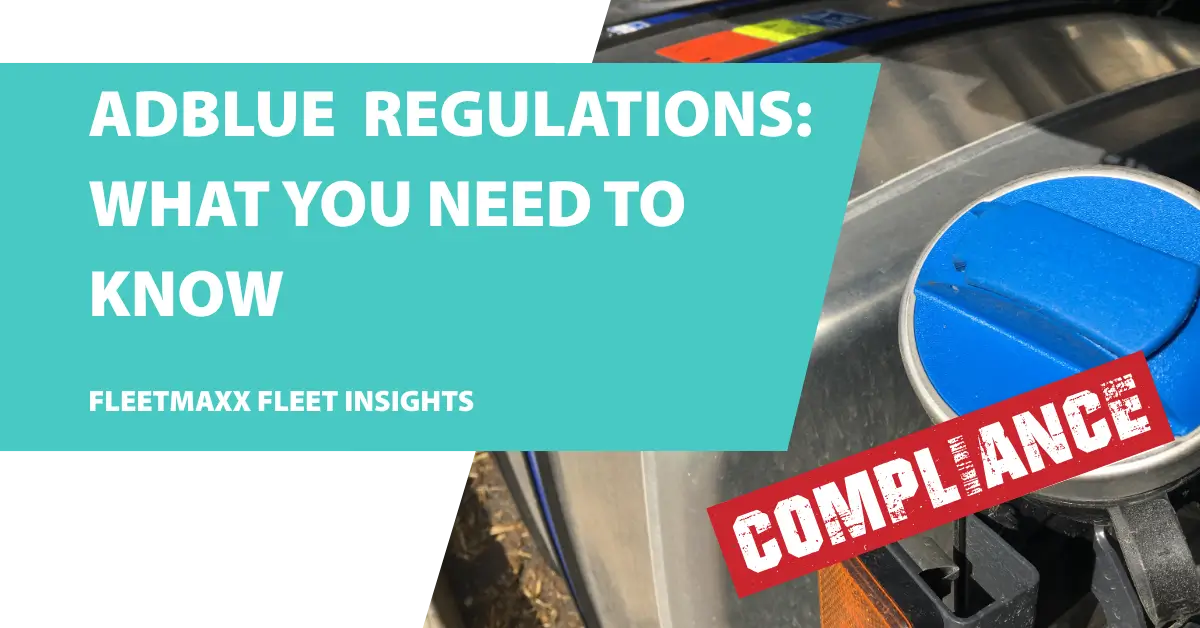
Everything you need to know about AdBlue regulations
AdBlue regulations, A Message from Stephen Buckley, Sales Manager & Senior Fleet Analyst, Fleetmaxx Solutions
In recent years, the automotive industry has made significant strides toward reducing its environmental impact. One of the key components driving this progress is AdBlue—a diesel exhaust fluid that plays a vital role in minimising harmful emissions from diesel vehicles. As environmental regulations continue to tighten, understanding AdBlue and its regulations in the UK has become essential for fleet operators, businesses, and vehicle owners.
This article provides a comprehensive overview of AdBlue regulations and the critical information you need to stay compliant and environmentally conscious.
What is AdBlue?
AdBlue is a clear, non-toxic liquid made of demineralised water and urea. It’s injected into a vehicle’s exhaust system, where it reacts with nitrogen oxides (NOx) in a process called selective catalytic reduction (SCR). This reaction converts harmful NOx emissions into harmless nitrogen and water vapor, significantly reducing air pollution.
AdBlue is essential for vehicles equipped with SCR technology, which is now standard in many diesel engines to meet stringent emissions standards.
AdBlue regulations in the UK
1. Euro 6 Emission Standards
The introduction of the Euro 6 emission standards in 2015 marked a significant shift in vehicle emissions regulation. These standards aimed to drastically reduce the levels of NOx released by diesel vehicles.
To comply with Euro 6, all diesel vehicles manufactured after September 2015 are required to have SCR systems and use AdBlue. This regulation has been a driving force behind the widespread adoption of AdBlue, helping reduce air pollution and improve air quality.
2. AdBlue Usage and Refilling
For drivers and fleet operators, understanding AdBlue usage is crucial. Vehicles with SCR systems have a dedicated AdBlue tank that must be refilled regularly. Consumption depends on factors such as fuel usage, driving conditions, and load, but on average, vehicles use approximately 3-5% of AdBlue compared to their diesel consumption.
Most modern vehicles provide dashboard alerts to notify drivers when AdBlue levels are low. Running out of AdBlue can result in the vehicle entering a “limp mode” or failing to start until the tank is refilled.
3. Availability and Infrastructure
AdBlue is widely available across the UK. You can purchase it at petrol stations, automotive retailers, and online. Many service stations catering to commercial vehicles also offer AdBlue refilling stations, making it convenient for fleet operators to stay compliant.
For businesses managing large fleets, bulk delivery options are available, ensuring a steady supply of AdBlue to keep vehicles on the road.
4. Penalties for Non-Compliance
The UK takes emissions regulations seriously. Failing to comply with AdBlue requirements can lead to hefty fines, restrictions, or even the removal of vehicles from the road. Ensuring proper use of AdBlue is not just a regulatory necessity but also a step toward sustainable fleet management.
5. Record keeping and compliance monitoring
For fleet operators, it’s not enough to simply use AdBlue — it’s essential to keep accurate records of the AdBlue-to-diesel ratio used across your vehicles. Monitoring this ratio helps demonstrate that SCR systems are operating correctly and that vehicles are being run as intended under Euro 6 emissions standards.
Both DVSA inspections and FORS audits increasingly expect fleets to evidence good control of emissions-related data. A poorly monitored or abnormal AdBlue-to-diesel ratio can indicate system faults, driver behaviour issues, or potential tampering.
Our AdBlue Diesel Ratio Calculator helps you maintain clear, audit-ready records by tracking usage per vehicle, highlighting ratios outside the expected range, and creating a documented trail that supports DVSA, FORS Bronze, Silver and Gold, and wider compliance requirements.
This removes the need for manual calculations while giving fleet managers confidence that their data is accurate, consistent, and inspection-ready.
Why choose Fleetmaxx Solutions for AdBlue?
At Fleetmaxx Solutions, we understand the challenges businesses face in managing fleet compliance. That’s why we offer Fleetblue high-quality Licensed AdBlue solutions, manufactured in our own plant here in the UK, tailored to your needs. Whether you’re running a small business or managing a large fleet, we’re here to help you stay compliant and reduce your environmental impact.
- Bulk Delivery: Never run out of AdBlue with our reliable bulk delivery options, including our telemetry, automatic top-up service.
- Wide range of container sizes:
- 1,000L Intermediate Bulk Containers (IBC)
- 205L barrels
- 20L containers
- 10L Containers
- 5L Containers
- Premium Quality: Fleetblue our licensed AdBlue meets the highest standards, ensuring optimal performance for your vehicles.
- Expert Support: Our team and myself are on hand to answer any questions and provide guidance on AdBlue usage and regulations.
AdBlue regulations: Stay compliant and contribute to a cleaner future
As the UK continues to prioritise cleaner air and reduced emissions, AdBlue has become a critical tool in achieving these goals. By staying informed and adhering to regulations, you’re not only avoiding penalties but also contributing to a healthier environment for everyone.
For more information on AdBlue or to explore our range of fleet solutions, contact Fleetmaxx Solutions today. Together, we can drive towards a more sustainable future.

Find out more about our AdBlue services
More questions about AdBlue answered:
One of our most asked questions is “what is AdBlue” and “what is it made of”, here we try and answer this for you.
Determining how much AdBlue to use depends on various factors. Here’s some general guidelines to help you.
How can I calculate AdBlue Diesel ratios?
This tool helps FORS members and DVSA-regulated fleets track AdBlue usage, spot faults, and produce audit-ready records.
Is the AdBlue ISO 22241 important?
Discover why ISO 22241 compliance is essential for protecting your fleet’s SCR systems and ensuring reliable emissions performance.
The short answer is no, AdBlue is not toxic. However, there are still considerations when handling and storing it properly.