Kelp a great store of CO2
At Fleetmaxx Solutions, we’re committed to making a meaningful impact—not just in fuel and fleet cost reduction, but in creating a sustainable future for everyone. In addition to our efforts in planting native trees across the UK and restoring mangrove forests in Kenya, we are proud to announce our newest environmental initiative in partnership with Carma: planting kelp in the pristine waters of Hotham Sound, Sunshine Coast, Canada.
Kelp forests are vital ecosystems, and by restoring them, we can play a part in the fight against climate change and help preserve the health of our oceans. Here’s how we’re making a difference.
The role of Kelp in carbon capture
Kelp forests are not only beautiful but also play a crucial role in carbon capture. As one of the fastest-growing plants on Earth, kelp absorbs massive amounts of carbon dioxide from the atmosphere, helping mitigate the impacts of climate change. By revitalising these underwater forests, we are contributing directly to the global effort to combat environmental degradation, while supporting the biodiversity that depends on these ecosystems.
Our Kelp restoration project
In collaboration with Carma, we are focusing on planting two species of kelp in the nutrient-rich waters of Hotham Sound, located in Sunshine Coast, Canada:

Sugar Kelp (Saccharina latissima)
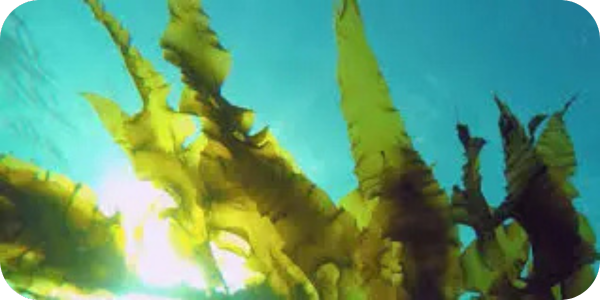
Average lifespan: 2 years
Sugar kelp is a species of kelp found in cold, nutrient-rich waters around the world. It is one of the most widespread and abundant kelp species, known for its distinctive sweet taste, which is how it got its name. Here are some key characteristics and ecological roles of sugar kelp:
Key characteristics:
- Fronds: Sugar kelp has long, ribbon-like fronds that can grow up to 20 feet in length. These fronds are an iconic feature of kelp forests.
- Taste: Its sweet taste gives it the name “sugar kelp,” making it a unique species within marine ecosystems.
Ecological role:
- Marine Ecosystem Support: Sugar kelp plays a crucial role in supporting marine biodiversity. Its fronds provide food and shelter for a wide variety of marine organisms, including fish, shellfish, and even sea otters.
- Habitat: The kelp forms dense underwater forests that offer a safe haven for juvenile fish and other marine species.
- Carbon Sequestration: As a fast-growing plant, sugar kelp absorbs large amounts of carbon dioxide, contributing to carbon capture and helping mitigate climate change.
Sugar kelp is not only vital to the marine food web but also plays a key role in carbon sequestration, helping to absorb carbon from the atmosphere and improve marine water quality. Through restoration efforts, including our projects in Canada, we are working to protect and revitalise sugar kelp forests, benefiting both marine ecosystems and the global environment.
Bull Kelp (Nereocystis luetkeana)

Average Lifespan: 2 years
Bull kelp is a large, fast-growing species of seaweed found primarily in the Pacific Ocean, ranging from Alaska to Baja California. Known for its impressive size and rapid growth, bull kelp plays a critical role in marine ecosystems and climate action. Here are some key facts about bull kelp:
Key characteristics:
- Size: Bull kelp is one of the largest and fastest-growing seaweeds in the world, with the ability to grow up to 200 feet in length.
- Fronds: Bull kelp has a long, ribbon-like frond that is attached to a holdfast (a root-like structure), allowing it to anchor securely to the ocean floor.
- Reproduction: Bull kelp reproduces sexually, with both male and female gametes contributing to the formation of new kelp.
Ecological role:
- Marine Habitat: Bull kelp provides essential food and shelter for a variety of marine organisms, including fish, shellfish, and sea otters. It forms underwater forests that serve as a habitat for juvenile fish and other marine life, offering protection and sustenance.
- Pollution Control: Bull kelp helps to improve water quality by absorbing pollutants, such as excess nutrients, from the surrounding water. This natural filtration process helps create cleaner, healthier marine environments.
- Carbon Sequestration: Like sugar kelp, bull kelp acts as an important carbon sink, absorbing carbon dioxide from the atmosphere, which helps mitigate the impacts of climate change.
The profound benefits of revitalising Kelp forests
The restoration of kelp forests has far-reaching benefits, not only for the environment but for local communities and economies:
- Carbon Sequestration: Kelp acts as a significant carbon sink, absorbing carbon dioxide from the atmosphere and helping to mitigate global warming.
- Biodiversity: Restoring kelp forests supports marine biodiversity, providing shelter, food, and breeding grounds for a wide range of marine species.
- Fisheries Support: Healthy kelp forests bolster local fisheries by providing vital ecosystems for fish and shellfish, helping sustain sustainable fishing practices.
- Pollution Control: Kelp plays a natural role in cleaning the water, by removing pollutants and excess nutrients, improving water quality and ecosystem health.
Our positive impact to date
A step forward in the fight against climate change
At Fleetmaxx Solutions, we understand the importance of taking bold steps to protect our planet. Our partnership with Carma to restore kelp forests in Canada is just one example of how we are leveraging our resources to make a real difference. With the support of our customers, we can continue to plant kelp, support carbon capture efforts, and help build stronger marine ecosystems for generations to come.
This initiative is more than just about planting kelp—it’s about restoring the balance of nature, empowering local communities, and fighting climate change through collective action. Every kelp forest we plant brings us one step closer to a more sustainable, healthier planet.
Thank you for supporting our mission and for being part of this exciting environmental journey!