Hi, Philip here again from Fleetmaxx Solutions.
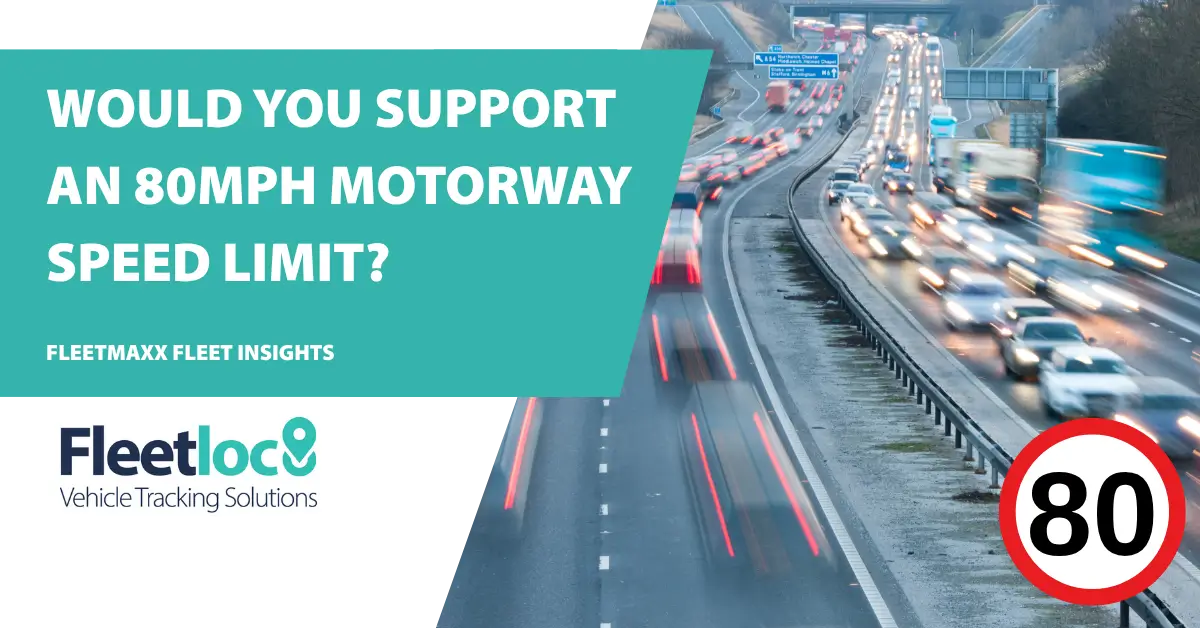
Would you support increasing the UK motorway speed limit from 70mph to 80mph?
With modern vehicles offering more advanced braking systems, improved handling and an impressive range of safety technology, some drivers may feel that the current motorway limit is outdated. However, a new poll suggests that most British motorists would prefer it to stay exactly where it is.
Most drivers want to retain the 70mph motorway speed limit
The 70mph motorway speed limit has been in place for almost 60 years, but the possibility of increasing it has been discussed by successive governments.
A survey of more than 2,000 people, commissioned by DrivingExperience.com, asked motorists whether they would support raising the maximum motorway speed limit to 80mph.
The results showed that 54% of respondents opposed the change, suggesting that most British drivers believe 70mph remains fast enough.
Although vehicles have advanced considerably over the past six decades, road safety is not determined by technology alone. Driver concentration, reaction times, weather conditions, traffic levels and vehicle maintenance all affect how safely a journey can be completed.
At higher speeds, drivers have less time to react to hazards, while stopping distances increase significantly.
A clear difference between generations
One of the most interesting findings was the difference in opinion between age groups.
Almost two-thirds of drivers aged over 65, 64%, said they wanted the 70mph limit to remain. Among motorists aged between 18 and 24, just 47% supported keeping the existing limit.
Younger drivers may have greater confidence in modern vehicle technology or feel more comfortable travelling at higher speeds. More experienced motorists, meanwhile, may be more aware of how quickly conditions can change on a busy motorway.
As Imran Malek, corporate sales manager at DrivingExperience.com, suggested, safer vehicles cannot remove the risk of human error. Even the most advanced car, van or lorry still relies on the person behind the wheel making sensible decisions.
Opinions also vary across the UK to a 80mph motorway speed limit
The survey also uncovered some striking regional differences.
Drivers in Northern Ireland were the strongest supporters of the current limit, with 70% saying that 70mph is fast enough.
Motorists in the South East of England were more open to an increase. Fewer than half of those surveyed in the region, 49%, said they wanted the current maximum speed to remain.
Differences in traffic density, motorway use and typical journey patterns may all influence these opinions. Someone regularly travelling on a relatively quiet motorway may view an 80mph limit differently from a driver dealing with heavily congested routes every day.
Would an 80mph 80mph motorway speed limit really save much time?
The attraction of a higher speed limit is usually the promise of shorter journey times. In practice, however, the saving may be smaller than many drivers expect.
Traffic congestion, roadworks, variable speed limits and stops during longer journeys can quickly reduce any time gained by travelling faster. Higher speeds can also increase fuel consumption, particularly across a large fleet completing thousands of motorway miles every month.
For businesses, encouraging drivers to travel faster could result in higher fuel bills, increased vehicle wear and greater safety risks. A few minutes saved on a journey may not compensate for the additional operating costs or the consequences of a collision.
Speed management remains a fleet priority
Regardless of whether the motorway speed limit ever changes, fleet operators have a responsibility to manage driver risk.
Speeding can increase fuel consumption, accelerate tyre and brake wear, place additional strain on vehicles and make collisions more severe. It can also damage a company’s reputation, especially when branded vehicles are involved.
Businesses should have a clear driving policy that explains what is expected from employees using company vehicles. Regular training, driver communication and accurate journey planning can help prevent drivers from feeling pressured to travel too quickly.
However, policies are most effective when fleet managers can see what is happening on the road.
Monitor driver behaviour with Fleetloc8
At Fleetmaxx Solutions, our Fleetloc8 telematics software can help you monitor vehicle speeds and understand how your drivers behave behind the wheel.
Fleetloc8 can provide visibility of speeding, harsh braking, rapid acceleration, excessive idling and other driving patterns that may increase risk or cost your business money. Instead of relying on guesswork, fleet managers can use real journey data to identify problems and provide targeted support or training.
Improving driver behaviour can help your business:
- Reduce speeding and risky driving
- Improve fleet and driver safety
- Lower fuel consumption
- Reduce unnecessary vehicle wear
- Cut maintenance and running costs
- Encourage more responsible driving
- Protect your company’s reputation
The debate about an 80mph motorway limit may continue, but the principle remains the same: safer and more efficient driving is better for your people, your vehicles and your bottom line.
If you would like to learn how Fleetloc8 could help you monitor driver speed and behaviour, keep your fleet safer and lower your running costs, speak to the team at Fleetmaxx Solutions today.