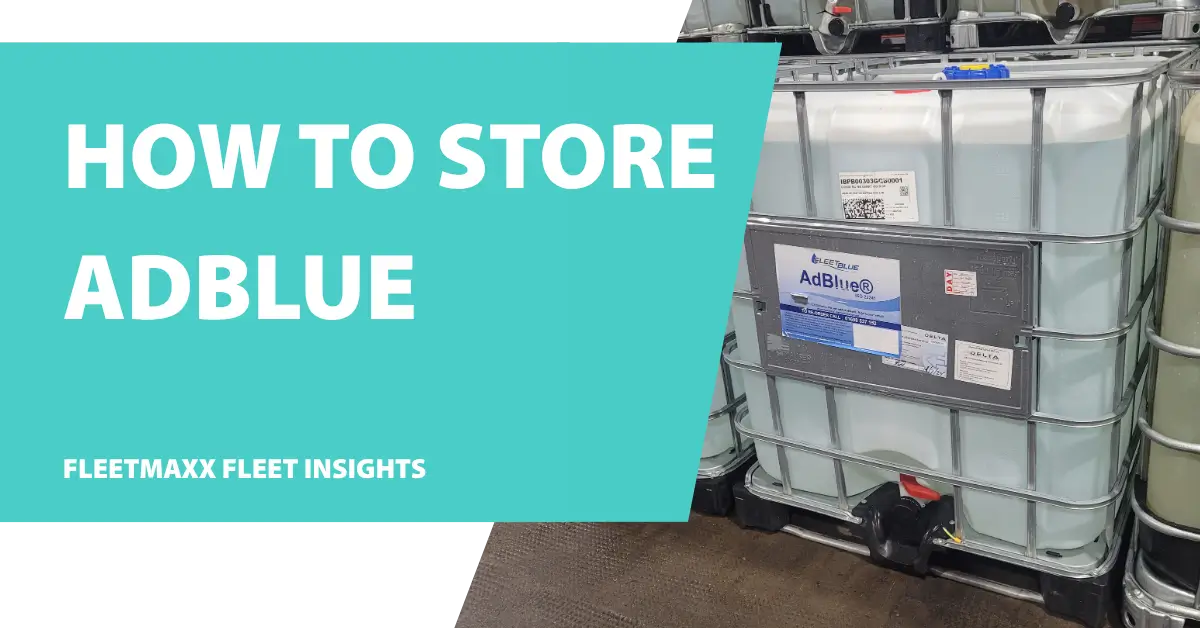
AdBlue myths
AdBlue myths , a guide by Steve Buckley, Sales Manager, Fleetmaxx Solutions Burnley
Diesel Exhaust Fluid (DEF) and its European counterpart, AdBlue, are essential in reducing harmful emissions from modern diesel engines. Despite their critical role in meeting emission standards, many misconceptions persist, leading to confusion among vehicle operators and fleet managers.
As Fleetmaxx Solutions is a trusted fuel and fleet cost reduction specialist and a manufacturer of licensed AdBlue right here in our UK-based plant, it’s time to set the record straight.

Common AdBlue myths and misconceptions
AdBlue Myth: AdBlue is Made of Urine
One of the most common myths about AdBlue® (Diesel Exhaust Fluid) is that it is made from urine. This misconception likely comes from the fact that AdBlue® contains urea, a compound that is also found in urine. However, let’s set the record straight:
🚫 AdBlue® is NOT made from urine! AdBlue® is a high-purity solution composed of: 32.5% synthetic urea, 67.5% deionised water.
AdBlue Myth: AdBlue Damages Diesel Engines
Many believe AdBlue harms diesel engines, but this is entirely false. AdBlue is not an additive to fuel; it is injected into the exhaust stream to facilitate the Selective Catalytic Reduction (SCR) process. This technology converts harmful nitrogen oxides (NOx) into harmless nitrogen and water vapor, reducing emissions and improving compliance with environmental standards.
AdBlue Myth: AdBlue Is a Low-Quality Additive
AdBlue is a precisely formulated solution of high-purity urea and deionised water that meets strict ISO 22241 standards. Using high-quality AdBlue is essential to prevent contamination and ensure optimal engine performance. At Fleetmaxx Solutions, we manufacture our own licensed AdBlue to guarantee superior quality and reliability.
AdBlue Myth: DEF and AdBlue Are Interchangeable
While DEF and AdBlue serve the same purpose, they are not always interchangeable due to regional formulation differences and impurity levels. AdBlue is specifically formulated to meet ISO 22241 standards, ensuring it works seamlessly in European SCR systems. Always use the recommended product for your vehicle.
AdBlue Myth: AdBlue is Harmful to Humans and Animals
AdBlue is non-toxic and safe to handle. It consists of 32.5% high-purity urea and 67.5% deionized water. While it is not intended for consumption, accidental contact with the skin or eyes can be rinsed away with water without harm.
AdBlue Myth: AdBlue Is Expensive
Yes, AdBlue can be costly—if purchased from the wrong source. However, when you buy directly from a licensed manufacturer like Fleetmaxx Solutions, you can save up to 50% off forecourt prices. By cutting out middlemen and purchasing in bulk, businesses can significantly reduce their AdBlue expenses.
AdBlue Myth: More AdBlue Equals Better Performance
AdBlue should be used according to the manufacturer’s recommendations. Overuse does not improve performance but instead leads to unnecessary costs and potential operational issues. Modern diesel engines are calibrated to consume AdBlue at precise rates to ensure efficiency and compliance.
AdBlue Myth: AdBlue Freezes in Cold Weather
While AdBlue can freeze at -11°C (12°F), this does not affect its performance. Vehicles equipped with SCR technology have heating elements to thaw frozen AdBlue without compromising its integrity. Once thawed, AdBlue continues to function as expected without any loss in effectiveness.
AdBlue Myth: AdBlue Evaporates Quickly
AdBlue is a stable solution with a lower evaporation rate than water. Proper storage—such as keeping it sealed in a cool, dry place—ensures its longevity and prevents degradation. Storing AdBlue in appropriate conditions is crucial to maintaining its effectiveness.
AdBlue Myth: AdBlue Quality Doesn’t Matter
The quality of AdBlue is crucial. Contaminated or substandard AdBlue can damage your SCR system, leading to increased emissions, costly repairs, and potential non-compliance with environmental regulations. Always purchase AdBlue from a trusted source like Fleetmaxx Solutions to ensure reliability and performance.
AdBlue Myth: AdBlue Is Difficult to Store
AdBlue storage is straightforward when done correctly. It should be kept in a cool, dry place, away from direct sunlight and extreme temperatures. Fleetmaxx Solutions provides guidance on proper storage solutions, ensuring that your AdBlue remains uncontaminated and effective for longer periods.
AdBlue Myth: AdBlue Is Difficult to Buy
Some businesses struggle to find AdBlue in the right quantities, but Fleetmaxx Solutions makes purchasing simple. We offer a range of container sizes to suit all businesses, from small fleets to large operations. Plus, our top-up service ensures you never run out, making your life easier and your fleet more efficient.

Conclusion
Understanding the facts about AdBlue is crucial for maintaining the efficiency and compliance of your diesel vehicles. By using high-quality, ISO 22241-certified AdBlue directly from Fleetmaxx Solutions, you can prevent costly mistakes and ensure optimal performance.
Make savings of up to 50% off forecourt AdBlue prices by buying direct from us. Call us on 01367 704 910 and open an AdBlue account today!