
How to protect your business from fuel fraud, misuse, and unnecessary costs
Fuel card security tips: A guide by Steve Clarke, Marketing Manager at Fleetmaxx Solutions
Fuel cards are one of the most effective tools available for managing business fuel expenses. They can help reduce administration, improve reporting, simplify VAT accounting, and even lower fuel costs.
However, like any payment method, fuel cards need to be managed correctly to ensure they remain secure.
In this guide, we share practical fuel card security tips to help keep your business, drivers, vehicles, and fuel budget protected.
Fuel card security tips guide table of contents
- Could fuel fraud be costing your business more than you realise?
- Why fuel card security matters more than ever
- The hidden cost of fuel card misuse
- The most common types of fuel card fraud to watch for
- Fuel cards vs cash: which is more secure?
- Fuel cards vs company credit cards: which protects your business better?
- The simple PIN rule that can stop costly mistakes
- Why every fuel card should be linked to a driver or vehicle
- How regular transaction checks can uncover problems early
- How spending limits can reduce fuel card misuse
- Why accurate mileage records matter more than you think
- How to create a fuel card policy drivers actually understand
- Why driver training is a fuel card security essential
- How telematics can help spot fuel fraud faster
- Warning signs that something is not right
- What to do if you suspect fuel card fraud
- What to do if a fuel card is lost or stolen
- How fuel card reporting tools can protect your fuel budget
- Fuel card security questions business owners ask first
- Ready to make your fuel card programme more secure?
Could fuel fraud be costing your business more than you realise?
When businesses review fuel costs, they often focus on pump prices and fuel card discounts.
However, fuel fraud and misuse can quietly drain money from a fleet budget without being noticed straight away.
A few extra litres here and there, a fuel card shared between drivers, or repeated purchases outside normal working hours can quickly add up.
The good news is that fuel cards make unusual activity much easier to identify than cash payments or traditional company credit cards.
Why fuel card security tips matter
Fuel remains one of the largest operating expenses for many businesses.
Strong fuel card security helps businesses:
- Protect company finances
- Improve driver accountability
- Reduce fuel fraud
- Improve reporting accuracy
- Simplify investigations
- Strengthen fleet management processes
- Support compliance and auditing
The larger the fleet, the more important these controls become.
The hidden cost of fuel card misuse
Many businesses assume fuel fraud only affects large fleets.
In reality, even small businesses can suffer significant losses if fuel cards are not managed correctly.
Examples of fuel card misuse include drivers purchasing fuel for private vehicles, unauthorised purchases, fuel cards being shared, false mileage entries, fuel theft, duplicate transactions, and fuel bought for non-company vehicles.
A vehicle purchasing just £20 of unauthorised fuel each week could cost over £1,000 per year.
Multiply that across several vehicles and the financial impact becomes clear.
The most common types of fuel card fraud to watch for
Card sharing
Drivers using another driver’s fuel card can make transaction records inaccurate and reduce accountability.
Fuel purchased for private vehicles
Fuel intended for company vehicles may occasionally be diverted elsewhere.
False mileage reporting
Incorrect mileage entries can disguise excessive fuel usage and make vehicle efficiency harder to monitor.
Stolen fuel cards
Lost or stolen cards can be used fraudulently if they are not reported quickly.
Unauthorised purchases
Some cards may be used to purchase products outside company policy if restrictions are not applied.
Fuel cards vs cash: which is more secure?
Cash remains one of the least secure ways to purchase fuel.
With cash, receipts can be lost, purchases are harder to verify, fraud can be difficult to detect, and reporting is limited.
Fuel cards provide a digital record of every transaction.
This creates a clear audit trail and makes it easier to identify unusual activity.
For most businesses, fuel cards offer significantly better visibility and control than cash-based fuel purchases.
Fuel cards vs company credit cards: which protects your business better?
Many businesses still use company credit cards for fuel purchases.
While credit cards can be useful, they generally lack the fuel-specific controls available with dedicated fuel cards.
Fuel cards often provide vehicle assignment, driver assignment, mileage capture, fuel reporting, and transaction monitoring.
These features make fuel cards a more secure option for managing fleet fuel purchases.
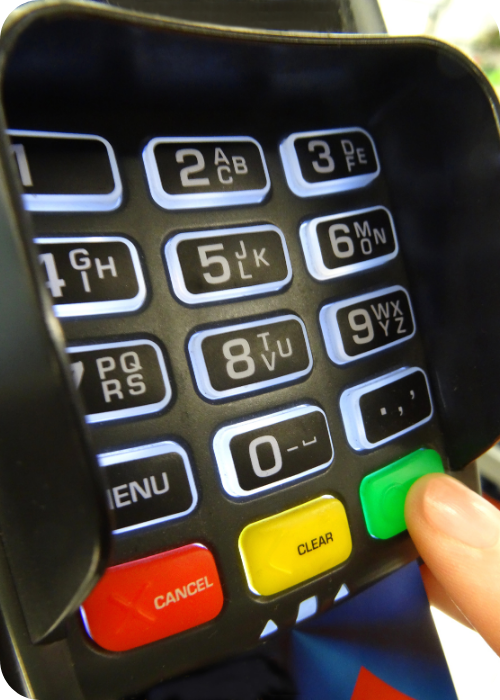
The simple PIN rule that can stop costly mistakes
One of the simplest but most effective security measures is PIN protection.
Most fuel cards require a PIN before a transaction can be completed.
Best practice includes:
- Never sharing PIN numbers
- Avoiding obvious PIN combinations
- Updating PINs when staff leave
- Storing PINs securely
A PIN adds an important layer of protection if a card is lost or stolen.
Why every fuel card should be linked to a driver or vehicle
Fuel cards should be assigned to a named driver or vehicle wherever possible.
This creates clear accountability and improves reporting accuracy.
Benefits include:
- Easier transaction tracking
- Faster investigations
- Improved driver responsibility
- Better fuel analysis
When every transaction is linked to a specific vehicle or driver, unusual activity becomes much easier to spot.
Regular transaction checks can uncover problems early
Many fuel card providers offer online account management portals that allow businesses to review fuel purchases quickly.
Regular reviews can help identify:
- Unexpected fuel volumes
- Duplicate purchases
- Unusual locations
- Out-of-hours transactions
- Excessive fuel spend
The sooner suspicious activity is identified, the easier it is to address.
How spending limits can reduce fuel card misuse
Most modern fuel cards allow businesses to apply spending controls.
Depending on the provider, you may be able to restrict daily spending, weekly spending, fuel types, product categories, and transaction frequency.
These controls help reduce opportunities for misuse and improve overall security.
Why accurate mileage records matter more than you think
Mileage reporting is often overlooked, but it can be one of the most valuable fraud prevention tools available.
Accurate mileage records help businesses monitor fuel efficiency, identify unusual fuel usage, track vehicle performance, and detect potential fraud.
Drivers should be encouraged to enter correct mileage every time they refuel.
How to create a fuel card policy drivers actually understand
Every business using fuel cards should have a written fuel card policy.
The policy should explain who can use the card, what can be purchased, how mileage should be recorded, what happens if a card is lost, and the consequences of misuse.
Clear expectations help reduce confusion and improve compliance.
Why driver training is a fuel card security essential
Technology can only do so much.
Drivers play a vital role in fuel card security.
Training should cover correct card usage, PIN protection, reporting lost cards, company fuel policies, and fraud awareness.
Simple awareness training can significantly reduce risk.
How telematics can help spot fuel fraud faster
One of the most powerful ways to improve fuel card security is by combining fuel card data with vehicle tracking and telematics.
When fuel card transactions are compared against vehicle activity, businesses can identify fuel purchased when the vehicle was elsewhere, excessive fuel usage, unauthorised journeys, and unusual consumption patterns.
Telematics provides another layer of visibility that can help uncover issues quickly.
Warning signs that something is not right
Keep an eye out for:
- Fuel purchases outside working hours
- Repeated purchases in short periods
- Unusually high fuel consumption
- Missing mileage entries
- Fuel purchases far from normal routes
- Significant differences between similar vehicles
These do not always indicate fraud, but they should be investigated.
What to do if you suspect fuel card fraud
If something appears unusual, review the transaction details, compare the purchase against vehicle activity, check mileage records, speak with the driver involved, and contact the fuel card provider if necessary.
If misuse is strongly suspected, the card should be suspended while the issue is investigated.
Acting quickly can help minimise financial losses.
What to do if a fuel card is lost or stolen
A lost fuel card should always be treated as a security risk.
Most fuel card providers offer support lines that can block cards quickly.
Drivers should know who to contact, how to report a lost card, and what information is required.
The faster a card is blocked, the lower the risk of fraudulent transactions.
How fuel card reporting tools can protect your fuel budget
One of the biggest advantages of fuel cards is access to detailed reporting.
Most fuel card platforms provide information such as fuel spend by vehicle, fuel spend by driver, fuel volume purchased, fuel station locations, transaction dates and times, and vehicle efficiency trends.
These reports are not just useful for security.
They can also help identify opportunities to reduce fuel costs, improve driver behaviour, and increase fleet efficiency.
Fuel card security questions business owners ask first
Are fuel cards secure?
Yes. Most fuel cards include PIN protection, transaction monitoring, spending controls, and reporting tools designed to reduce fraud.
Can fuel cards help prevent fuel theft?
They can help identify suspicious transactions and improve accountability, making fuel theft easier to detect.
Are fuel cards safer than cash?
In most cases, yes. Fuel cards provide electronic records and greater visibility over fuel purchases.
Can I restrict what drivers buy?
Many fuel cards allow businesses to apply restrictions on products, fuel types, and spending levels.
Can telematics help improve fuel card security?
Yes. Combining telematics and fuel card reporting provides a powerful way to monitor fuel usage and identify unusual activity.
Ready to make your fuel card programme more secure?
Fuel cards offer a secure, efficient, and highly visible way to manage business fuel purchases.
While modern fuel cards already include strong security features, businesses can further reduce risk by implementing clear policies, monitoring transactions regularly, training drivers, and making full use of reporting tools.
When combined with telematics and good fleet management practices, fuel cards become one of the most effective tools available for controlling fuel costs, preventing fraud, and improving operational efficiency.
At Fleetmaxx Solutions, we help businesses choose fuel cards that offer strong security, detailed reporting, and complete control over fuel spending.
Whether you operate a single van or a nationwide fleet, our team can help you find the right fuel card solution for your business.
