
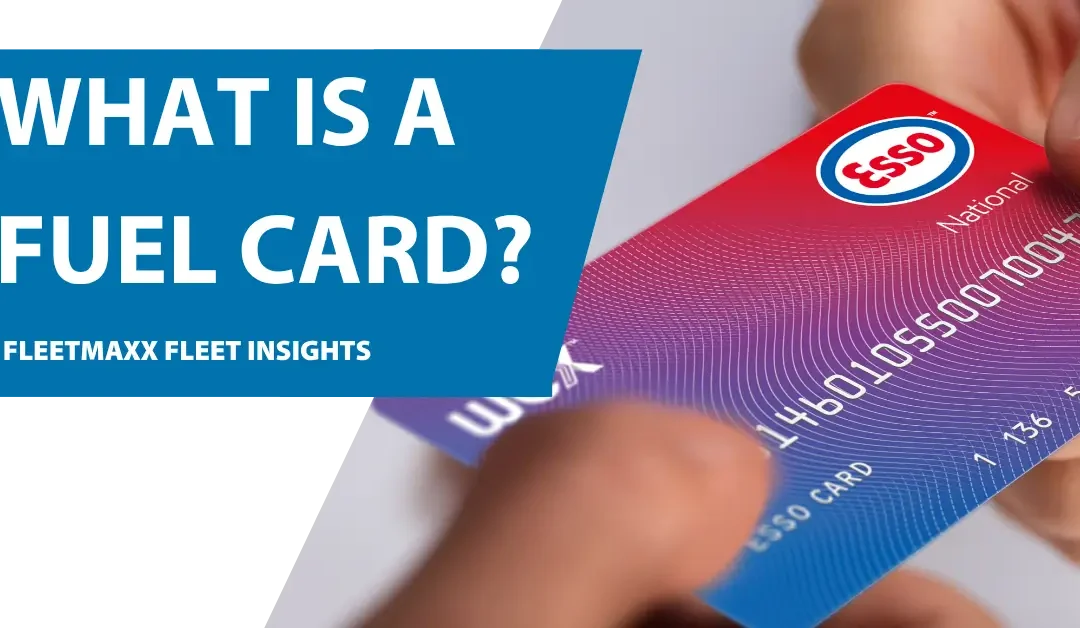
What is a fuel card? The complete guide for UK businesses
What is a fuel card? A guide by Steve Clarke, Marketing Manager at Fleetmaxx Solutions
Could your business be paying more for fuel than it needs to?
For many businesses, fuel is one of the largest operating expenses. Whether you run a single van, a fleet of cars, or a nationwide HGV operation, keeping fuel costs under control can have a significant impact on profitability.
That is why more businesses than ever are turning to business fuel cards.
But what is a fuel card, how does it work, and can it really save your business money?
In this guide, we explain everything you need to know about fuel cards, including how they work, the benefits they offer, and how to choose the right fuel card for your business.
What is a fuel card guide table of contents
- What is a fuel card and why do so many UK businesses use one?
- How does a fuel card actually work at the pump?
- Is a fuel card only for big fleets, or can small businesses use one too?
- The biggest fuel card benefits your business could be missing
- Could a fuel card help cut your monthly fuel bill?
- Which type of fuel card is right for your vehicles?
- Where can your drivers use a fuel card in the UK?
- How fuel cards make VAT and paperwork much easier
- Fuel cards vs company credit cards: which is better for business fuel?
- How to choose the best fuel card without getting caught by the wrong deal
- Fuel card questions most business owners ask first
- Ready to find the right fuel card for your business?
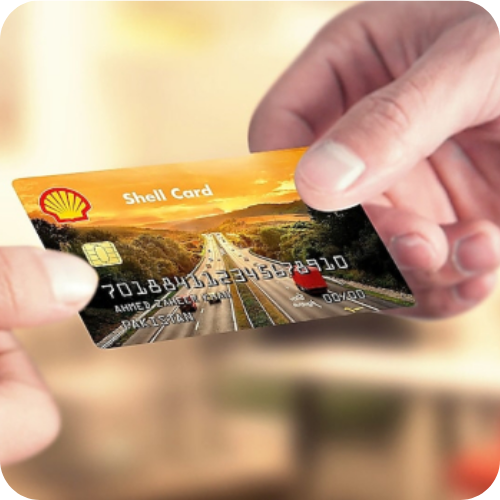
What is a fuel card and why do so many UK businesses use one?
A fuel card is a payment card specifically designed for purchasing fuel and managing vehicle-related expenses.
Instead of drivers paying with cash, personal bank cards, or company credit cards, they use a fuel card at participating filling stations. The fuel purchased is then billed directly to the business through a consolidated invoice.
Think of a fuel card as a business payment solution designed specifically for fuel management.
Fuel cards provide businesses with better control over fuel spending, detailed reporting, improved security, and access to competitive fuel pricing.
For businesses with vehicles on the road every day, fuel cards have become an essential tool for managing one of their largest expenses.
How does a fuel card actually work at the pump?
Using a fuel card is simple.
Your driver arrives at a participating fuel station, fills the vehicle as normal, and presents the fuel card when paying.
Depending on the card provider, the driver may also be asked to enter:
- A PIN number
- The vehicle registration
- The vehicle mileage
The transaction is then recorded electronically and appears on your fuel card account.
Instead of managing multiple receipts, your business receives a consolidated invoice showing all fuel purchases made across the fleet.
This gives fleet managers and business owners complete visibility of fuel expenditure.
Is a fuel card only for big fleets, or can small businesses use one too?
One of the biggest myths about fuel cards is that they are only suitable for large fleets.
The reality is that businesses of all sizes can benefit.
Fuel cards are commonly used by:
- Sole traders
- Small businesses
- Limited companies
- Tradespeople
- Courier businesses
- Construction companies
- Sales teams
- Haulage firms
- Taxi operators
- Coach companies
- National fleet operators
Whether you operate one van or hundreds of vehicles, there is usually a fuel card solution that can help simplify fuel management.
The biggest fuel card benefits your business could be missing
Access to competitive fuel pricing
Many fuel cards provide access to discounted diesel and petrol prices.
Depending on the fuel card selected, businesses may save up to 10p per litre compared with standard forecourt prices.
Less paperwork
No more collecting fuel receipts from drivers.
Instead, businesses receive one HMRC-compliant invoice covering fuel purchases across the fleet.
Better spending control
Fuel cards allow businesses to monitor exactly who is purchasing fuel, where it is being purchased, and how much is being spent.
Simplified VAT administration
Fuel cards make it easier to manage fuel records and reclaim VAT where appropriate.
Detailed reporting
Many fuel card platforms provide online reporting tools that help businesses identify trends and opportunities to reduce costs.
Improved security
Most fuel cards include security features such as PIN protection, purchase controls, and transaction monitoring.
Could a fuel card help cut your monthly fuel bill?
The answer depends on your business, but in many cases, yes.
Fuel card savings come from several areas:
- Discounted fuel prices
- Reduced administration time
- Improved fuel management
- Reduced misuse and fraud
- Better visibility of spending
Even a small saving per litre can quickly add up across a busy fleet.
For businesses using thousands of litres each month, the annual savings can be substantial.
Which type of fuel card is right for your vehicles?
Not all fuel cards work in the same way.
The best fuel card depends on your vehicles, routes, and fuel usage.
Fixed weekly price fuel cards
These cards offer a fixed weekly fuel price, helping businesses budget more accurately.
Pump price fuel cards
These cards charge the advertised pump price and often provide access to extensive fuel station networks.
Single network fuel cards
Designed for businesses that regularly use one specific fuel brand.
Multi-network fuel cards
Provide access to multiple fuel brands and thousands of stations across the UK.
HGV fuel cards
Designed for commercial fleets and haulage operators using specialist truck-friendly sites.
Small business fuel cards
Perfect for sole traders and SMEs looking to improve fuel management.
Where can your drivers use a fuel card in the UK?
Most fuel cards are accepted at extensive fuel networks across the UK.
Depending on the card selected, drivers may have access to:
- Shell stations
- Esso stations
- Texaco stations
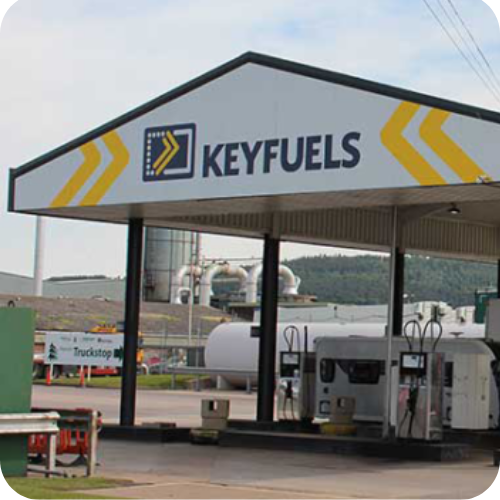
- Keyfuels sites
- UK Fuels sites
- Motorway service stations
- Commercial diesel locations
- Supermarket forecourts
Some cards provide access to thousands of fuel stations nationwide, making it easier for drivers to find convenient locations wherever they travel.

How fuel cards make VAT and paperwork much easier
Managing fuel receipts can be one of the most frustrating parts of fleet administration.
Fuel cards simplify the process by providing a consolidated invoice containing all fuel transactions.
This helps businesses:
- Reduce paperwork
- Minimise lost receipts
- Improve record keeping
- Simplify VAT reclaim
- Save administration time
For businesses with multiple vehicles and drivers, this can be a significant operational advantage.
Fuel cards vs company credit cards: which is better for business fuel?
Many businesses initially use company credit cards for fuel purchases.
However, fuel cards provide several advantages that credit cards typically cannot offer.
| Feature | Fuel Card | Credit Card |
|---|---|---|
| Fuel-specific reporting | Yes | No |
| Vehicle controls | Yes | No |
| Driver controls | Yes | No |
| Fuel discounts | Often | Rarely |
| Fleet management tools | Yes | No |
| HMRC-compliant invoicing | Yes | No |
For businesses operating vehicles regularly, fuel cards usually provide much greater control and visibility.
How to choose the best fuel card without getting caught by the wrong deal
Choosing the right fuel card is not simply about finding the lowest advertised fuel price.
You should also consider:
- Where your drivers travel
- Which stations they currently use
- Whether you require diesel, petrol, or both
- Fleet size
- Monthly fuel volume
- Reporting requirements
- Additional services such as AdBlue® or EV charging
The right fuel card should fit your business rather than forcing your business to fit the fuel card.
What is a Fuel card questions most business owners ask first
Are fuel cards worth it?
For most businesses operating vehicles, fuel cards can reduce costs, improve control, and simplify administration.
Can sole traders get a fuel card?
Yes. Many fuel card providers offer solutions specifically designed for sole traders and small businesses.
Can a fuel card be used for petrol and diesel?
Most fuel cards can be used for petrol, diesel, or both depending on the provider.
Can a fuel card help reduce fraud?
Yes. Fuel cards often include PIN protection, purchase restrictions, and transaction monitoring.
Can a fuel card replace fuel receipts?
In many cases, yes. Fuel card invoices provide a consolidated record of purchases.
What is a fuel card conclusion
Ready to find the right fuel card for your business?
Fuel cards have become one of the most effective ways for businesses to manage fuel costs, reduce administration, and gain greater visibility over fleet spending.
Whether you run a single van, a growing fleet, or a national transport operation, the right fuel card can help save time, improve control, and potentially reduce fuel costs.
At Fleetmaxx Solutions, we help businesses compare fuel card options from leading providers to find the best solution for their vehicles, routes, and fuel usage.
Want to discover which fuel card could save your business money?
Contact Fleetmaxx Solutions today for a free fuel cost analysis and personalised fuel card recommendation.
